

Prior to signing any contract with a company in the US, one important question that is being asked to Indian exporters is if they are C-TPAT certified. The major advantage of C-TPAT certification is at the point of clearance where the exporter will experience shorter processing times and a reduced risk of inspection by CBP (US Customs and Border Protection). The biggest advantage, however, is simply this: you have greater chances that a US importer will pick your factory over your competitors’.
C-TPAT (Customs-Trade Partnership Against Terrorism) is a voluntary supply chain security program provided by CBP. It was developed in order to protect international supply chain from terrorist activities and smuggling; however, it has become a mark of credibility which importers actively seek. This guide will explain what C-TPAT compliance entails for Indian exporters, why importers prefer certified factories, and what CTPAT requirements mean.
It is primarily informative in nature and will provide you with useful comparisons and key points to consider.
What Is C-TPAT Certification, Exactly?
C-TPAT is an initiative of CBP meant to cater to those American companies which comply with the security guidelines for their operations in the supply chain into the US.
Short Answer: C-TPAT is a voluntary CBP program through which the compliance of a company in terms of security in its supply chain is verified and benefits are provided.
A few things worth knowing upfront:
- It is only US parties who can be full-fledged members of C-TPAT. These include the importers, brokers, and the carriers.
- However, the foreign firms are indirectly involved, including the Indian exporting firms, since the US importers ask their foreign suppliers to follow the guidelines set by C-TPAT for conducting business.
- This is why Indian plants seek to comply with CTPAT criteria; they need to adhere to the standards that their US importers have set for them.
- In the Indian context, this involves making your plant CTPAT compliant with respect to CBP’s security standards.
If you’d like to understand how this compares to India’s own trusted trader scheme, our guide on C-TPAT vs AEO Certification breaks down the overlap and the mutual recognition arrangement between the two.
Why US Importers Prefer C-TPAT-Certified Suppliers
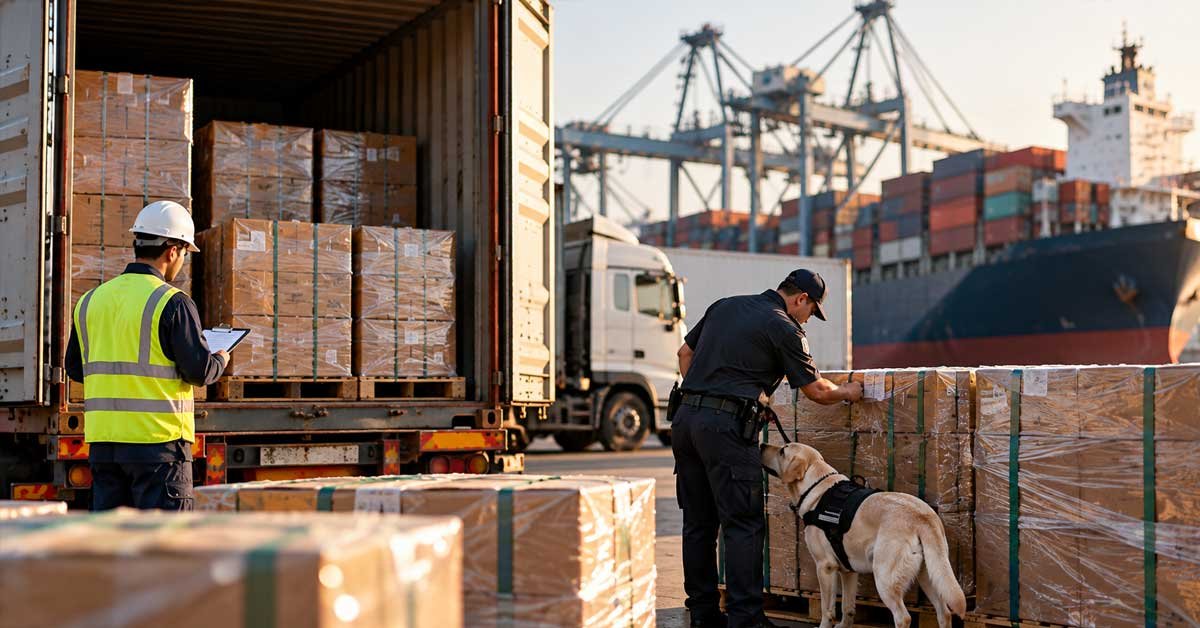
US importers don’t ask for C-TPAT alignment out of preference. It is often tied to their own compliance obligations, and that is what drives the demand.
- It Minimizes Penalties for the Importer
The risk involved for an importer is purchasing from a manufacturer with inadequate security measures. A breach in any form of cargo tampering, smuggling or transfer of cargo in containers without record could lead the importer in problems with the CBP.
- The Status of the Importer Dependent on Its Suppliers
As a condition for being members of the C-TPAT program, CBP requires importers to implement the security protocols to all their business partners, which include overseas factories. In case they fail to meet the condition, they would lose the C-TPAT privileges themselves. Therefore, importers have good reason to ask for C-TPAT compliance from suppliers.
- Compliant Suppliers Bring No Unexpected Delays
Importers base their plans on predictable custom clearances; unexpected inspection of supplier’s shipments leads to unpredictable delay.
- It Shows a Good Run of the Factory
For importers, being compliant with C-TPAT means more than just the security issue.
The Core C-TPAT Certification Benefits for Exporters
Here’s where the benefits of CTPAT for exporters show up in practical terms.
Improved Customs Processing
The C-TPAT members are provided with priority processing by CBP. The cargo in the approved supply chain gets less chance of selection for secondary inspection and consequently spends less time at the port. Reduced CBP inspections and improved customs clearance process are usually the first things seen by the exporters.
Fewer Cargo Inspections
The participants in C-TPAT usually experience lesser CBP inspections. This results in lesser openings of the containers, therefore, lesser chances of getting damaged or delayed.
Priority in Emergency Conditions
In case of disruptions caused due to congestion at ports, natural disasters, or increased alert levels, the cargo of C-TPAT members gets processed first. This can make the difference in meeting the deadline during peak seasons.
FAST Lane Access for Land Border Trade
Firms conducting trade through the Canadian and Mexican land borders will be eligible for the FAST lane access with the C-TPAT compliance.
Better Confidence & Retention from Buyer
Apart from the benefits provided by CBP, C-TPAT compliance helps in earning the trust of the buyer. As a US importer, he sees a facility that is compliant with all requirements and poses no risk to his supply chain. This makes all the difference in case you and your competitor who is not aligned with C-TPAT bid for the same contract.
Reduced Freight Cost Due to Less Time
Due to fewer inspections, there will be lesser demurrage, detention, and storage charges at US ports.
Advantages in RFPs & Supplier Audit
Major US retailers and brands have started considering supply chain security as important while evaluating their suppliers. Compliance with C-TPAT will give you an edge while participating in RFPs and supplier audit processes. For Indian suppliers, CTPAT advantages in India have become a critical reason for being shortlisted by the buyer.
C-TPAT Benefits: Quick Comparison
| Benefit | Non-Certified Supplier | C-TPAT-Aligned Supplier |
|---|---|---|
| Customs inspection rate | Higher, less predictable | Reduced, more predictable |
| Port clearance speed | Standard processing queue | Expedited priority processing |
| FAST lane eligibility (land borders) | Not eligible | Eligible |
| Buyer confidence in RFPs | Needs extra proof of controls | Built-in credibility signal |
| Disruption handling | Standard queue | Priority during port congestion |
| Detention/demurrage exposure | Higher due to inspection delays | Lower |
What Does It Take to Meet C-TPAT Requirements?
So how do Indian exporters comply? CBP’s minimum security criteria span several areas of operation, and a factory pursuing alignment typically needs controls across all of them:
- Personnel Security – background checks and security measures in recruitment of personnel
- Physical Security – fencing, lighting, lock control and CCTV surveillance
- Procedure Security – procedures of loading, sealing and tracking of cargo
- Cargo and Transport Security – procedures of sealing and inspection of cargo, which is usually the 7 point inspection
- Information Security – system access control and data integrity of systems managing information on shipments
- Partnership Security – ensuring that your business partners meet minimum security standards
For a full breakdown of what CBP actually checks during a validation visit, see our detailed C-TPAT Security Criteria Checklist.
Common Mistakes Indian Exporters Make When Pursuing C-TPAT
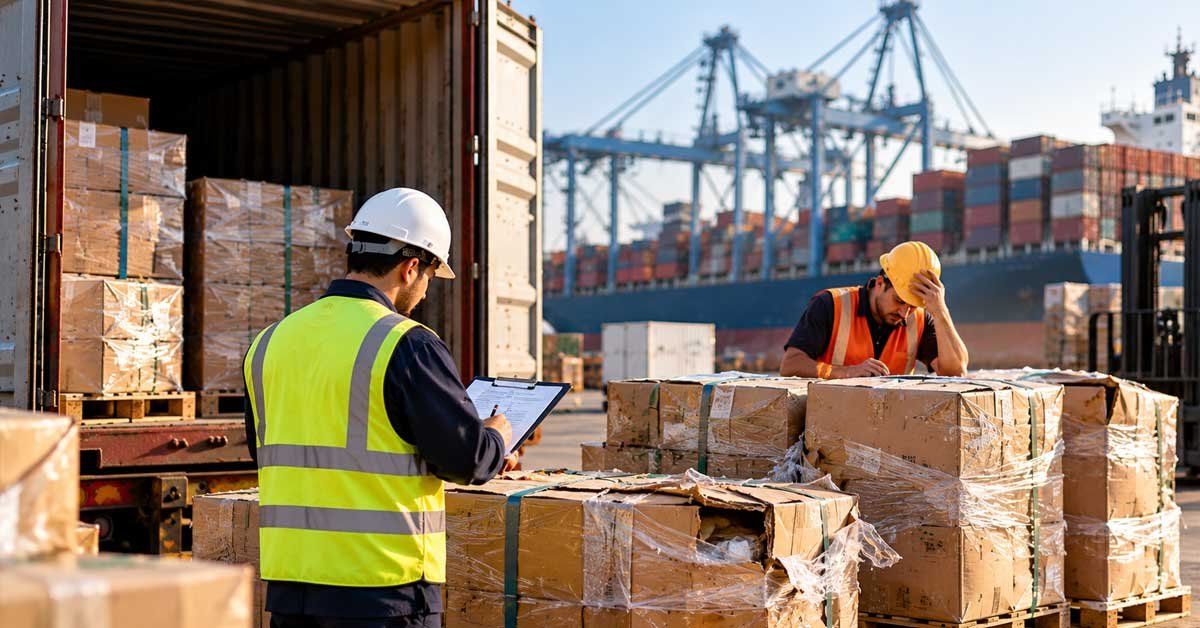
- Taking it to be an audit rather than a continuous process. Controls must be kept updated and reviewed regularly and not just demonstrated once.
- Considering certification and alignment as being synonymous. C-TPAT certification can only be obtained by US entities, while other foreign manufacturers will align themselves with the program to fulfill their importer contracts.
- Overlooking the significance of documentation. CBP and importers demand that documentation should exist along with physical security measures.
- Neglecting the aspect of business partner security. This comprises any third party logistics partners you are using in your factory.
- Mistaking C-TPAT for AEO. Both of these programs do overlap, but it would be worthwhile to know the difference before you choose any of these programs to apply. Also, the United States and India have mutual recognition of AEO and C-TPAT.
When C-TPAT Alignment Makes the Most Sense
Who needs CTPAT? Mostly exporters whose business depends on American buyers. It makes the most sense when:
- You export only, or predominantly, to American customers.
- Your American importers are inquiring about your supply chain security compliance status.
- You are submitting bids to contracts with major US retail brands that conduct audits on their vendors.
- Your cargo is being inspected repeatedly by the CBP.
- You want faster customs clearance times in busy shipment periods.
It matters less if you export to the US only occasionally and your US business is small, though having the preparation in place never hurts.
Key Takeaways
- The C-TPAT is a CBP-administered trusted trader program, and foreign suppliers comply with its security requirements without being certified members of C-TPAT.
- US importers like to deal with C-TPAT-compliant suppliers because failure by a supplier to be C-TPAT-compliant might lead to loss of the importer’s C-TPAT certification.
- Benefits include quick processing, less cargo inspections, prioritization in case of disruption, and entry via the FAST lanes on the border.
- C-TPAT compliance requires that all controls for securing people, process, cargo, IT and business partners be documented.
- Being compliant with C-TPAT will give a supplier an edge in the RFPs and vendor selection process.
Conclusion
C-TPAT certification advantages can be seen very clearly: reduced container detention time, reduction in inspections, and improved negotiation position with US buyers, who are at present carefully reviewing their suppliers in respect of their supply chain security. For any Indian exporter planning business in the US, C-TPAT certification is no longer a luxury; it has become a necessity that buyers in the US have begun demanding.
FAQs
What are the C-TPAT certification benefits?
Increased speed of customs clearance, reduced number of cargo examinations, eligibility for FAST lanes at land crossings, and increased trust of US importers during their assessment of risks in the supply chain.
What are the benefits of CTPAT for exporters specifically?
Reduced number of shipping delays, decreased costs associated with cargo examination, and an upper hand during contract negotiations with US importers.
Why do US importers prefer C-TPAT-compliant suppliers?
Compliance reduces risks of supply chain security and allows them to preserve their own C-TPAT membership.
Is C-TPAT mandatory for Indian exporters?
No, but US importers usually include CTPAT compliance as a requirement in their purchase agreements.
Can an Indian factory hold C-TPAT membership directly?
No. C-TPAT membership is only available to US importers, carriers, and brokers, but foreign manufacturers adhere to CBP security requirements.
How is C-TPAT different from AEO certification?
C-TPAT is the US program, while AEO is the Indian program. Mutual recognition agreement makes certification valid in both countries.
Does C-TPAT alignment reduce shipping costs?
Indirectly, it does. Reduced number of cargo examinations and faster clearance process help to avoid delays related costs.