
A spice exporter in Guntur opens an email from a UK retailer. It is two lines long: join Sedex, and send us a SMETA report within 90 days.
He calls two consultants for a quote. One number comes back almost double the other. Both consultants are honest. So why the gap?
Because nobody sells “a Sedex audit” at one fixed price. What you pay depends on how many workers you have, how many days the auditor spends on site, what your buyer wants checked, and how ready your paperwork is on day one. This guide walks through sedex audit cost in india: factors that affect pricing, in simple language, using numbers from Sedex and other published sources, so you can read any quotation with confidence.
A quick note on money: prices below are shown in the currency the source published them in (pounds or US dollars). Rupee figures are rounded estimates using early-November 2026 rates of roughly ₹127 per pound and ₹94 per US dollar, based on Cambridge Currencies’ ECB-derived rates. Your invoice will use the rate on the day.
What Affects Sedex Audit Cost in India: Factors That Affect Pricing?
Four things set the price: your headcount and number of sites, the auditor days needed, the audit scope (2-pillar or 4-pillar), and how prepared you are. Sedex adds its own yearly site fee and a per-audit fee on top of the auditing company’s charge. Fixing the problems an audit finds is the cost most suppliers forget to plan for.
Eurofins, an audit company working in this space, explains that the fee is built on a per man-day rate and that most audits need two to five man-days. A man-day simply means one auditor working one full day on site. So the maths is easy to remember: days multiplied by daily rate, plus extras.
Think of it like hiring an accountant for a stock check. A small unit with tidy registers is done quickly. A big site with messy records takes longer, and the bill follows the clock.
Where Your Money Goes: Membership, Sedex Fee and Auditor Fee
Your first-year budget has three parts: the yearly Sedex site fee, the per-audit fee Sedex charges, and the auditing company’s own invoice. The first two are published and fixed. The third changes from quote to quote. These three parts are the basis of sedex audit cost in india: factors that affect pricing, and everything else adds to them.
| Cost item | Published figure | Approx. in rupees |
| Standard supplier fee (per site, per year) | £215 | about ₹27,000 |
| Supplier Plus add-on (per site, per year) | £150 extra | about ₹19,000 |
| Sedex per-audit fee (from 1 July 2025) | £185 | about ₹23,500 |
| Auditing company’s charge | US800toUS3,000 | about ₹76,000 to ₹2.8 lakh |
| Typical all-in audit average (auditor, travel, reporting) | £1,500 | about ₹1.9 lakh |
Sedex Membership Cost: The Yearly Site Fee
A supplier pays this fee per site, per year. As per Sedex’s own Supplier Plus sheet, the standard fee is £215 per site per year, and the Supplier Plus upgrade adds £150 on top. Some third-party guides quote slightly higher figures (around £224 and £374), so confirm the current price when you register. Our own explainers on the cost of Sedex certification and A, AB and B member types go deeper on what each tier means.
Each site pays separately. Intelligent Living’s 2026 guide notes that every site membership is priced individually, so a company with three factories budgets for three. What you get in return is a profile on the Sedex membership platform, where you fill in one self-assessment and share it with your buyers. Sedex says suppliers connect with four to seven customers on average.
Sedex’s Per-Audit Fee
From 1 July 2025, Sedex charges £185 for each audit, according to its own price notice. Sedex linked the change to SMETA 7, which it described as the most substantial update in the methodology’s history.
SMETA Audit Fee: What the Auditing Company Charges
The cost to be charged is calculated per man-day, and this is the most flexible aspect of your total cost. According to the 2026 Guide of Intelligent Living, the cost to be paid per man-day is between US800 to US3,000 depending on the size and complexity of the project site. According to the India guide of Eurocert, the costs vary from US600 to US5,000.
The daily rates vary widely. From the report by QC Advisor, published rates ranged from US 188 per man day for a simple factory inspection to well above US 900 for premium service providers. V-Trust provides a bundled cost of US 498 per man-day for a site in major manufacturing clusters in India, China, Vietnam, with no additional charges for travel or week end work.
A worked-out example of the estimate is a site that takes 3 man-days with this cost will cost US1,494, approximately ₹1.4 lakh.
Sedex’s own supplier ROI calculator says typical audits average £1,500 once auditor fees, travel and reporting are counted. Keep that number in your pocket. If a quote lands far above or below it, ask why.
The Six Cost Drivers Behind Sedex Audit Cost in India: Factors That Affect Pricing
Six things push a quote up or down: workforce size, audit scope, location and travel, the number of sites and audit type, buyer add-ons under SMETA 7.0, and your own readiness. QC Advisor points out that almost every driver changes one of two numbers, the auditor days or the daily rate.
Here is the full list of sedex audit cost in india: factors that affect pricing in India, starting with the biggest mover.
1. Site Size and Headcount
More workers mean more interviews, more records to sample and more auditor days. Eurofins puts the usual range at two to five man-days. Picture a 60-person masala unit next to a 900-worker garment factory in Tiruppur. Same audit type, very different days on site. QC Advisor even cites one provider that allots one man-day below 500 workers and two above.
2. Audit Scope: 2-Pillar or 4-Pillar
A 2-pillar audit covers labour standards and health and safety. A 4-pillar audit adds environment and business ethics, so it takes longer and costs more. QIMA’s India page lists both options, and BSI notes that Sedex data covers four areas: labour practices, health and safety, the environment and business ethics. Your buyer decides which one you need, so ask them before you ask for a quote. If your buyer only asks for the lighter version, see our page on the 2-pillar audit in India.
3. Location and Travel
Rates change by region and by firm, which is why Eurofins encourages suppliers to compare quotations from several providers. An established industrial cluster is usually easier for an auditor to reach than a remote farm or packing unit, where travel and stay can add real money.
Also check how travel is billed. V-Trust says it adds no travel charge, while QC Advisor warns that some firms count only on-site time and bill the rest separately.
4. Number of Sites and Audit Type
Every site has its own membership and its own audit, so costs multiply with each location. Sedex’s ROI calculator also counts buyer-specific and duplicate audits as part of the spend. Follow-up visits to close findings can be billed separately, so ask about them early.
5. Buyer Add-Ons and SMETA 7.0
Sedex’s newsroom confirms that SMETA 7.0 launched in October 2025 and calls it the most comprehensive evolution of the SMETA methodology in many years. LRQA reports that it adds a Management Systems Assessment, and DQS adds that a new “Collaborative Action Required” finding now exists for living wages, responsible recruitment, child labour and discrimination. LRQA also notes that auditors had to complete 16 hours of live training.
For you, the practical step is simple: ask whether the quote is written for SMETA 7.0. There is some good news too. QIMA says sites audited under an older version do not need an immediate re-audit. And on 18 November 2025, the Consumer Goods Forum announced that SMETA 7.0 won recognition from the Sustainable Supply Chain Initiative, which can make one report easier for several buyers to accept.
6. Your Own Readiness
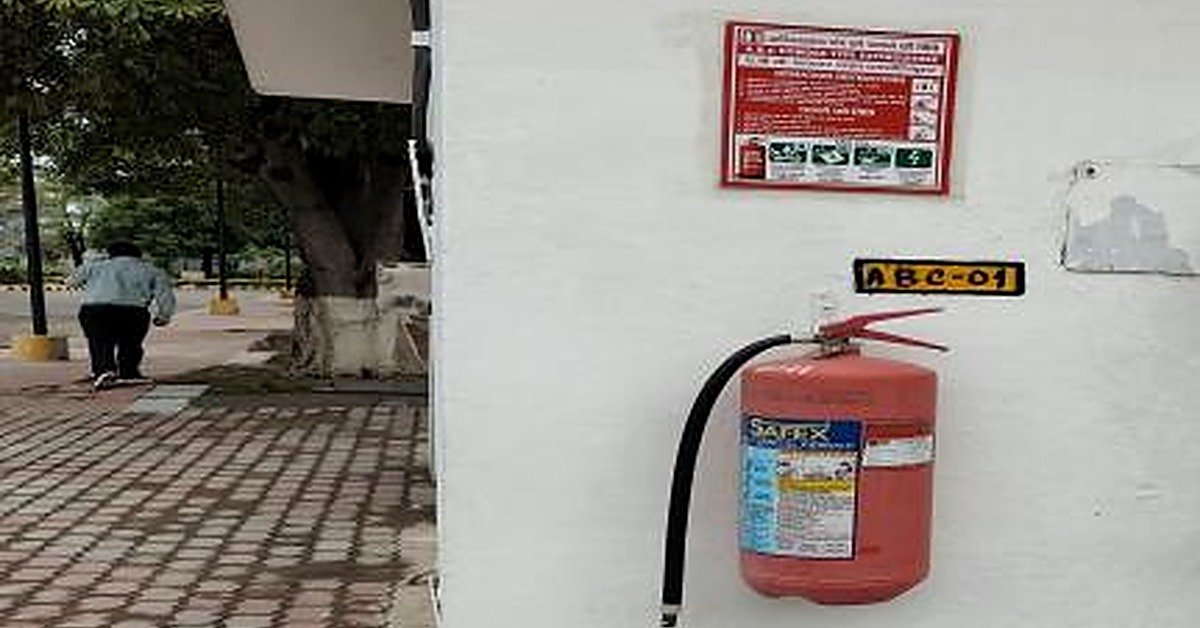
The cheapest audit is the one that finds very little. Missing registers, unpaid overtime or blocked fire exits turn into corrective actions, and fixing them costs money and time.
India’s four Labour Codes took effect on 21 November 2025, according to EY. As per KPMG’s note on the Codes, wages must now be paid within two working days of a worker leaving. SCC Online’s summary adds that normal working hours are capped at 48 a week. KPMG also says final rules are still being notified, and BDO warns that older state laws can apply alongside the new ones. Expect auditors to compare your records with the law as it applies to you.
What a Quote Includes and What It Leaves Out
A usual quote covers the auditor’s time on site and the written report. Travel, weekend work, Sedex’s own fee, follow-up visits and preparation help often sit outside it. QC Advisor notes that some firms publish an all-inclusive man-day rate while others price only the on-site work, so ask for the exclusions in writing. Compare like with like, because sedex audit cost in india: factors that affect pricing only makes sense once every quote covers the same things.
Usually Included
- Auditor days on site (the man-days)
- Report writing and a corrective action plan format
- Delivery of the report (one provider, V-Trust, promises it within 3 days)
Often Excluded
- Sedex’s yearly site fee and the £185 per-audit fee
- Travel, stay and weekend premiums
- Follow-up audits to verify fixes
- Translators, where needed
- Consultancy and preparation help
- Cost of fixing the findings (safety work, wage corrections, new records)
- GST, as applicable
Questions to Ask Before You Request a Quotation
Before you ask any provider about sedex audit cost in india: factors that affect pricing, ask each one the same ten questions. It turns confusing prices into a fair comparison and stops surprise bills later.
- Is this SMETA audit quote written for SMETA 7.0, and is it 2-pillar or 4-pillar?
- How many man-days are you assuming, and why?
- Is your man-day rate all-inclusive or on-site only?
- Are travel, stay and weekend work included?
- Does the price include Sedex’s £185 per-audit fee?
- Is your firm on Sedex’s current Affiliate Audit Company list? (Intelligent Living advises checking any unsolicited audit offer against that list.)
- If the audit finds issues, are follow-up visits charged?
- When will I receive the report?
- Can you run a gap assessment before the real audit?
- Is GST extra?
Sedex Audit Cost in India: Factors That Affect Pricing Requirements and Documents
Auditors want proof that your paper trail matches what workers tell them. In India that means licences, wage and attendance records, statutory payments, safety certificates and written policies. Missing papers can quickly turn into avoidable findings.
Eurocert lists the Factories Act, 1948 among the legal references used for Indian audits. Use the list below as your working checklist for sedex audit cost in india: factors that affect pricing requirements and documents, because every missing item can add auditor time.
- Factory licence and registrations under the Factories Act, 1948
- Appointment letters for all workers (HSF Kramer notes these are now mandatory under the Labour Codes)
- Payslips, wage registers and bank transfer proof
- Attendance and overtime records
- PF and ESI payment challans
- Age proof for every worker
- Fire safety certificate, building stability certificate and drill records
- Pollution control consent, where it applies
- Contractor and labour supplier agreements
- Written policies: child labour, discrimination, harassment, grievance handling
- Training records and health check-up records (BDO notes the Codes bring free annual check-ups for workers aged 40 and above)
Sedex Audit Cost in India: Factors That Affect Pricing Process Step by Step
The route has six steps: join Sedex, complete your self-assessment, choose an approved auditing company, book the audit, host audit day and close any findings. Eurofins says companies generally start booking three to four months before their current report expires.
Here is sedex audit cost in india: factors that affect pricing process step by step, with the money point attached to each stage. For help with any stage, see our SEDEX SMETA services.
- Join Sedex. Sedex says registration for Indian suppliers takes less than 10 minutes. Money point: the yearly site fee.
- Complete your self-assessment. This is the supplier assessment part of the platform, covering your workforce and practices. Money point: your own time, or a consultant’s.
- Choose an auditing company. Pick from Sedex’s affiliate list. QIMA describes itself as one of 51 affiliate audit companies in the APSCA network. Money point: the man-day rate.
- Book the SMETA audit. Ask for a written quote with exclusions. Money point: Sedex’s £185 fee, travel and extras.
- Host audit day. Expect an opening meeting, a site walk, confidential worker interviews, a records check and a closing meeting. Money point: the days on site.
- Close the findings. The report and corrective action plan go on the platform, where all your buyers can see them. Money point: remediation and any follow-up visit.
How to Prepare for Sedex Audit Cost in India: Factors That Affect Pricing and Keep the Bill Sensible
Start with a compliance assessment of your own site, fix the gaps you find, and only then book the audit. A small checklist done early costs far less than an audit that throws up findings and needs a second visit.
Here is how to prepare for sedex audit cost in india: factors that affect pricing from day one:
- Walk your own site. Check exits, machine guards, first-aid kits and storage the way an auditor would.
- Check your records against the law. Match wages, hours and overtime in your registers against what workers are actually paid.
- Brief your managers. Supervisors should know what to say and, more importantly, should not coach workers on what to say.
- Name one person to own the audit. One owner means documents are found in minutes, not hours.
- Collect two or three quotes. Compare them using the ten questions above.
- Book early. Three to four months before expiry keeps you out of a last-minute rush rate.
Treat supplier ethical compliance as something you build through the year, not a one-day exam. Our guide to understanding the Sedex audit walks through the requirements and checklist in more detail.
Why Indian Suppliers Are Paying More Attention Now
Global buyers want proof of fair working conditions, and Sedex is where many of them look. Sedex says more than 9,500 active Indian members across 11,000+ registered sites, employing over 2.4 million workers, are already on its network, and over 800 buyers work with suppliers in India.
Worldwide, Sedex reported that 100,000 businesses were using it by early 2026, and its site states that 540,000 audits have been conducted on the platform. Put simply, a social compliance audit report is becoming a ticket to the buyer shortlist, especially for exporters in food, textiles and handicrafts.
Regulation adds pressure. ICRIER notes that the EU’s due diligence directive entered into force on 25 July 2024 and indirectly affects suppliers of large EU companies. JSA points out that EU–India trade stood at US$132 billion in 2023, which is why Indian exporters feel EU rules so closely. The EU’s later Omnibus proposal eases the focus toward direct suppliers, but pv magazine India warns that deeper supply chain risks can still trigger scrutiny. In short, responsible sourcing is now a purchase condition, and ethical trade evidence is part of the file.
All of this sits on top of the Sedex membership platform that most buyers already use, which is why the cost of getting audit-ready is easier to justify as an investment than as a bill.
Key Takeaways
- The short version of sedex audit cost in india: factors that affect pricing in India: site size, auditor days, audit scope, location, number of sites and your readiness.
- Sedex charges about £215 per site per year for supplier access and £185 per audit; the auditing company’s fee comes separately.
- Auditor fees are quoted per man-day, and most audits need two to five of them.
- Sedex’s own calculator puts the typical all-in audit at about £1,500 (around ₹1.9 lakh).
- Sedex membership cost is per site, so more factories mean more fees.
- SMETA 7.0 (October 2025) changed the methodology, so ask for a quote written for it.
- India’s Labour Codes (21 November 2025) raise the importance of clean wage and hours records.
- Always get exclusions in writing: travel, follow-ups, GST and remediation are the usual surprises.
- A gap assessment before the audit is the cheapest way to avoid findings.
Why Choose Legal4sure as Your Sedex Membership Consultant India Partner
Legal4sure is a food safety certification consultancy that helps Indian businesses get ready for buyer-driven audits and certifications. For suppliers dealing with Sedex, we work as a practical guide, from the first registration to the last corrective action. You can read more on our Sedex consultant page and our overview of Sedex in India.
- Clear numbers before you commit. We help you read quotations line by line, so you compare like with like.
- Gap assessment first. A compliance assessment of your site and records shows what to fix before the auditor arrives.
- Full Sedex membership services. Registration, profile setup, supplier assessment review, choosing an auditing company, SMETA audit preparation and closing findings.
- Food-sector understanding. Our work with food businesses means we know the production floor, not just the paperwork.
- Plain language, no jargon. You get simple checklists your team can actually follow.
- A long-term view of responsible sourcing. We aim to build supplier ethical compliance that holds up for the next audit and the next buyer, not just this one.
Ready for a clear number?
Not sure how sedex audit cost in india: factors that affect pricing will play out for your site? Request a Sedex membership and SMETA audit support review, a gap assessment or a tailored quotation from Legal4sure.
Share your site size, your buyer’s name and your product, and our Sedex membership services team will tell you what to budget before you spend a rupee. As a Sedex membership consultant India suppliers can call on, we keep the advice simple and the quote itemised.
Get Your Business Ethics Policies Ready for SMETA Audit
Prepare for the 4-pillar SMETA assessment with expert support for anti-bribery policies, conflict of interest declarations, grievance procedures, employee training records and third-party screening. Strengthen your documentation and demonstrate ethical practices with confidence.
Frequently Asked Questions
What is Sedex membership?
It is a yearly paid subscription that gives a business access to the Sedex platform. You build a profile, complete one self-assessment and share your data and audit reports with the buyers you choose. Fees are charged per site. It is a tool for sharing information, not a licence or a rating.
What is a SMETA audit?
SMETA stands for Sedex Members Ethical Trade Audit. It is a social compliance audit method that checks how a workplace treats its people and, in the 4-pillar version, its environmental and business ethics practices too. Sedex updated the SMETA methodology in October 2025 with the release of version 7.0.
Is Sedex a certification?
No. As Intelligent Living’s guide explains, Sedex is a data platform and membership organisation, and membership confers no certificate and no pass or fail status. The audit produces a report with findings and a corrective action plan. Your buyer decides what that report means for your business.
What does a SMETA audit assess?
It assesses labour standards such as wages, working hours, child labour and freedom of association, plus health and safety. The 4-pillar version also covers the environment and business ethics. Findings are recorded and the site receives a corrective action plan with deadlines to fix them.
How much does a Sedex audit cost in India in rupees?
For a typical single site, plan on about ₹1.9 lakh all-in, based on Sedex’s own £1,500 average. The range is wide: the auditor’s charge alone runs roughly ₹76,000 to ₹2.8 lakh, plus about ₹27,000 for the yearly site fee and ₹23,500 for Sedex’s per-audit fee. Rupee figures are estimates.
How many man-days does a single-site audit need?
Most audits take between two and five man-days, according to Eurofins. Headcount, scope and how clean your records are decide where you land. A small unit with tidy registers sits near the low end, while a large factory with a 4-pillar scope needs more days on site.
Is a 2-pillar audit cheaper than a 4-pillar audit?
Usually yes, because a 2-pillar audit covers fewer areas and needs fewer auditor days. The 4-pillar version adds environment and business ethics. Your buyer decides which one is acceptable, so confirm that first. Our 2-pillar audit page explains the difference.
Can I use an older report for a new buyer?
QIMA says sites audited under an earlier version do not need an immediate re-audit when a new version arrives, but future audits follow the new rules. Whether a new buyer accepts your existing report is their call, so ask them in writing before you book anything.
How do I request a quotation?
Share your site size, headcount, product, buyer name and whether the buyer wants 2-pillar or 4-pillar. Ask two or three providers for itemised quotes and compare them using the ten questions above. You can also talk to our team for a tailored quotation.
When should I book before my current report expires?
Start three to four months early. Eurofins says companies generally begin booking and preparing in that window, which leaves time to fix findings and avoid a rushed, more expensive slot. Booking late also risks a gap in your compliance record that buyers may notice.
Where do I register on Sedex as an Indian supplier?
Registration is done on Sedex’s website. Sedex’s India supplier page says signing up takes less than 10 minutes, after which you complete your profile and workforce details. Each site registers separately and gets its own site code.
How do I find an approved auditing company?
Choose from Sedex’s current list of Affiliate Audit Companies. Intelligent Living’s guide advises checking any unsolicited audit offer against that list before paying. Then request full quotes, since fees vary by region and site size.