
A European buyer has shortlisted two Indian suppliers for the same order. Both offer similar product quality, production capacity and pricing. But before signing the contract, the buyer asks one question: Can you demonstrate that your factory follows responsible labour and workplace practices?
One supplier shares its Sedex profile, provides access to its audit report and explains how it monitors employee welfare. The other has no organised compliance records and needs time to collect basic information.
This difference can influence how confidently an international buyer works with a supplier.
For Indian manufacturers and exporters, ethical trade requirements are becoming an important part of international business relationships. A company may manufacture excellent products, but buyers also want to understand how those products are made, whether workers receive fair treatment and whether the workplace meets applicable safety requirements.
This is where Sedex and SMETA become relevant.
However, there is a common misunderstanding. Businesses often use the term Sedex certification when referring to membership or a SMETA audit. Sedex does not issue a conventional certification, and SMETA is not a pass-or-fail certification programme. It is an independent workplace assessment methodology that helps businesses identify risks and improve their practices.
According to Sedex’s India-specific membership information, its network includes more than 9,500 active Indian members, 11,000 registered sites and over 2.4 million workers. The organisation also reports that more than 800 global buyers source from India through its network.
These numbers indicate why understanding supplier compliance is relevant to Indian businesses targeting international markets.
This guide explains who can register, which businesses need an audit, what documents they should maintain, how the assessment works and how Legal4Sure can help them prepare.
What Is Sedex Membership and How Is It Different From a SMETA Audit?
Sedex is a global membership platform that allows businesses to manage and share information about their ethical, social and environmental practices with customers. SMETA, or Sedex Members Ethical Trade Audit, is the assessment methodology used to examine working conditions and responsible business practices at individual sites.
Although the two are connected, they serve different purposes.
| Particulars | Sedex Membership | SMETA Audit |
| Meaning | Business membership on a supply chain platform | Independent workplace assessment |
| Main purpose | Manage and share supplier information | Examine workplace practices and identify risks |
| Who uses it? | Buyers and suppliers | Buyers, suppliers and approved audit companies |
| Main activities | Company registration, site profile, self-assessment and data sharing | Document review, site inspection and worker interviews |
| Outcome | Active membership and access to platform features | Audit report and Corrective Action Plan |
| Is it a certification? | No | No |
Why Do International Buyers Ask Indian Suppliers to Join Sedex?
International buyers need more than a supplier’s product catalogue or manufacturing capacity before entering a business relationship. They may also want information about employee welfare, working hours, workplace safety, environmental practices and ethical business conduct.
Sedex helps suppliers maintain relevant information in one place and share it with multiple customers, subject to their access permissions.
For example, consider a textile exporter in Tiruppur supplying garments to three international retailers. Instead of preparing completely separate ethical trade information for every customer, the supplier can maintain its information on the Sedex platform and share relevant data with those buyers.
Sedex’s India membership page also highlights the ability to complete a Self-Assessment Questionnaire (SAQ) and share information with multiple customers.
There is another important distinction: joining Sedex does not automatically mean that a buyer has approved the supplier. Customers can have additional requirements relating to audit findings, corrective actions and supplier performance.
Who Is Eligible for Sedex Membership in India?
Businesses of different sizes and industries can generally apply for Sedex supplier membership if they provide goods or services and can register their company and relevant operating sites. There is no general requirement to be a large manufacturer, maintain a particular turnover or operate only in export-oriented industries.
The important consideration is whether the business has a legitimate supply chain role and can provide accurate information about its operations.
1. Manufacturers
Manufacturing companies can join to share information about their production facilities, workforce and workplace management.
Examples include:
- Garment and textile manufacturers.
- Food and beverage processing companies.
- Leather and footwear factories.
- Plastic and packaging manufacturers.
- Pharmaceutical manufacturers.
- Furniture and home furnishing manufacturers.
- Toy and consumer goods manufacturers.
2. Exporters and Trading Companies
Exporters and trading businesses can explore membership when their customers require supplier information or responsible sourcing visibility.
For instance, an Indian leather exporter may purchase finished products from multiple manufacturing facilities. It should understand which operating sites and supply chain relationships need to be represented in its compliance information.
3. Small and Medium-Sized Businesses
Sedex membership is not limited to multinational companies. Small manufacturers, growing exporters and medium-sized suppliers can also register.
A small packaging manufacturer supplying a European food company may face similar buyer information requests to those received by a much larger manufacturing group.
4. Service Providers
Businesses supplying services such as logistics, cleaning, facility management and other outsourced operations may also have reasons to explore Sedex.
Their assessment requirements will depend on their workforce model, operating arrangements and customer expectations.
Supplier Membership vs Buyer Membership
Sedex provides different membership options based on the organisation’s position in the supply chain.
| Membership Category | Suitable Business |
| Supplier membership | Manufacturers, exporters and service providers supplying goods or services |
| Buyer membership | Retailers, brands and organisations purchasing goods or services from suppliers |
A business manufacturing products for an overseas retailer will generally explore supplier membership. A retailer managing multiple manufacturing partners will generally consider buyer membership.
The appropriate category should reflect the actual business relationship, rather than simply the company’s industry.
What Are the Main Sedex Membership and SMETA Audit Requirements and Eligibility Criteria?
The requirements depend on whether a company only wants to join the Sedex platform or also needs to arrange a SMETA assessment. Membership mainly involves business registration, site information, a suitable membership plan and platform onboarding. An audit involves additional preparation covering labour practices, workplace safety, environmental management and business ethics.
Let’s understand the difference through practical requirements.
A. Requirements for Sedex Membership
A business planning to register should first organise its basic company and site information.
| Requirement | Information to Prepare |
| Business identity | Registered company name and business details |
| Registration information | Applicable company or business registration details |
| Contact information | Authorised representative and business contact details |
| Operating location | Actual factory, office or service site address |
| Workforce details | Number of employees and relevant workforce information |
| Business activity | Products manufactured or services supplied |
| Customer information | Relevant buyer relationships and supply chain details |
| Membership payment | Payment for the selected membership plan |
A business operating from several locations should pay attention to site registration. The registered office may not be the same as the manufacturing facility, and the information should accurately represent each relevant operation.
B. Requirements for a SMETA Audit
A SMETA audit involves a more detailed examination of workplace conditions.
According to Sedex’s official audit guidance, the assessment is conducted by independent auditors working through approved Affiliate Audit Companies (AACs). It examines workplace conditions against the applicable SMETA methodology, relevant local law, the ETI Base Code and relevant ILO conventions.
The main preparation areas include:
- Active Sedex membership and registered site details.
- Relevant site information and completed self-assessment.
- Employee and contractor records.
- Wage, attendance and working-hours information.
- Health and safety procedures and supporting evidence.
- Environmental management information, where applicable to the audit scope.
- Business ethics policies and management procedures.
- Availability of relevant management representatives and workers during the assessment.
Does a company need to be completely compliant before joining Sedex?
No. A company does not have to demonstrate perfect compliance before registering. However, it should provide accurate information about its current practices and be prepared to address any issues identified during an assessment.
The objective is not to create a factory that looks compliant only on the audit day. It is to establish working practices that protect employees and support responsible business operations.
C. Understanding SMETA 7 Requirements
One important update businesses should know about is SMETA 7, which Sedex introduced in 2024.
The updated methodology introduced a stronger focus on two areas:
- Workplace Requirements: Specific expectations against which workplace practices are assessed.
- Management Systems Assessment: How effectively the business identifies, manages and prevents workplace risks.
This means that having a written policy is not necessarily enough.
Consider a food processing factory with a documented fire safety policy. During an assessment, the auditor may also examine whether emergency exits are accessible, fire equipment is maintained, workers understand evacuation procedures and management regularly reviews safety arrangements.
The difference is between having a document and demonstrating that the procedure actually works.
Sedex explains these methodological changes in its official SMETA audit guidance.
Which Documents Are Required for Sedex Membership and SMETA Audits?
Businesses should prepare documents covering company registration, employment, wages, working hours, workplace safety, environmental management and ethical business practices. These records help auditors understand whether the company’s actual operations match its stated policies and applicable legal obligations.
The following is a practical documentation guide for Indian businesses.
1. Company Registration and Business Documents
These documents establish the identity and operating structure of the organisation.
- Certificate of Incorporation or applicable business registration.
- PAN details.
- GST registration, where applicable.
- Factory licence or applicable operating permissions.
- Registered office and factory addresses.
- Organisation structure.
- Details of management representatives.
- List of operating locations.
- Description of products and manufacturing activities.
2. Employee and Labour Records
Employee documentation is an important part of an ethical trade assessment because it helps verify whether workers receive appropriate treatment.
Prepare the following, as applicable:
- Employee master records.
- Appointment letters and employment contracts.
- Attendance registers.
- Wage registers and salary slips.
- Overtime records.
- Leave and weekly rest records.
- Applicable PF and ESI records.
- Contractor and temporary worker details.
- Age verification records.
- Resignation and termination records.
- Grievance and disciplinary records.
Example: Imagine a garment factory where the attendance register shows that employees worked overtime, but the payroll records do not show corresponding overtime payments. This inconsistency may require investigation and could lead to an audit finding.
Maintaining accurate records is important, but the actual payment and working arrangements must also comply with applicable requirements.
3. Health and Safety Documents
The workplace should have suitable arrangements to prevent accidents and protect employees.
Commonly relevant documents include:
- Occupational health and safety policy.
- Workplace risk assessments.
- Fire safety inspection records.
- Emergency response and evacuation procedures.
- Fire drill records.
- First-aid training records.
- Accident and incident registers.
- PPE distribution records.
- Machinery inspection and maintenance records.
- Electrical safety inspection records.
- Employee safety training records.
- Relevant statutory permissions and certificates.
A manufacturing unit should also examine the physical condition of its workplace. For example, a factory may have fire extinguishers but still have blocked emergency exits or poorly marked evacuation routes.
These conditions cannot be corrected by preparing additional paperwork alone.
4. Environmental Management Documents
Environmental documentation depends on the nature of the business and the activities carried out at its premises.
Relevant records may include:
- Environmental policy.
- Waste management procedures.
- Waste disposal records.
- Hazardous waste records, where applicable.
- Water consumption information.
- Wastewater monitoring records.
- Applicable pollution control consents.
- Chemical inventory.
- Safety Data Sheets (SDS).
- Chemical storage and handling procedures.
- Energy consumption records.
- Environmental monitoring reports.
For example, a food processing facility may need to demonstrate how it manages wastewater, packaging waste and cleaning chemicals. A textile dyeing facility may have additional requirements relating to chemical storage and effluent treatment.
5. Business Ethics Documents
The business ethics pillar examines whether the company has appropriate arrangements for preventing unethical conduct and managing complaints.
Businesses should review:
- Anti-bribery and anti-corruption policies.
- Conflict-of-interest procedures.
- Whistleblowing mechanisms.
- Employee grievance procedures.
- Supplier code of conduct.
- Confidentiality and data protection policies.
- Business ethics training records.
- Complaint investigation records.
- Management review documents.
Sedex Certification Requirements and Eligibility Requirements and Documents Checklist
Before arranging an assessment, management can use the following checklist to identify missing information.
| Documentation Area | Records to Review |
| Business registration | Registration details, licences and site addresses |
| Employment | Appointment letters and employee master records |
| Wages | Salary slips, wage registers and payment records |
| Working hours | Attendance, overtime, leave and rest records |
| Social security | Applicable PF and ESI documentation |
| Health and safety | Risk assessments, fire safety and training |
| Environment | Waste, water and chemical management |
| Business ethics | Grievance and anti-corruption policies |
| Management systems | Responsibility allocation and review records |
This checklist is a starting point, not a universal list of mandatory documents. The actual evidence required depends on the site, industry, applicable laws and selected audit scope.
An important Indian regulatory consideration: The four Labour Codes came into effect on 21 November 2025, consolidating 29 central labour laws. The Ministry of Labour and Employment’s subsequent updates in 2026 provide further information on their implementation and rules. Indian businesses should therefore review their wage, employment, social security and occupational safety documentation against the applicable current central and state requirements.
What Does a SMETA Audit Actually Check at an Indian Factory?
A SMETA audit examines the difference between what a company claims to do and what actually happens at its workplace. Auditors review documents, inspect the premises, speak with workers and management, and assess the systems used to manage workplace risks.
The methodology covers four areas, commonly called the four pillars.
1. Labour Standards
The labour assessment examines whether employees are treated fairly and whether their employment conditions meet applicable requirements.
Auditors may examine:
- Wages and salary payments.
- Working hours and overtime.
- Weekly rest days and leave.
- Child labour and young workers.
- Forced or involuntary labour.
- Discrimination and equal treatment.
- Freedom of association.
- Employment contracts and recruitment practices.
Indian factory example: A manufacturing unit employs contract workers through an outside agency. The company maintains permanent employee records but has incomplete documentation for contract workers. This creates a gap in workforce visibility and may affect the assessment.
2. Health and Safety
This pillar examines whether employees have a safe working environment.
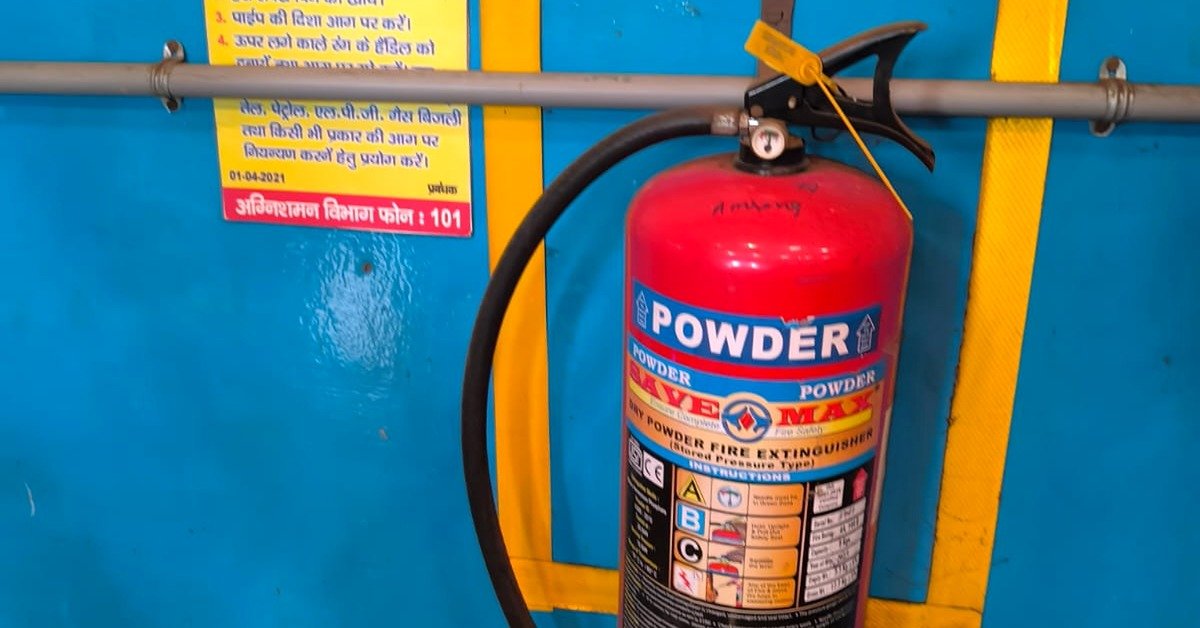
The assessment may cover:
- Fire prevention and emergency exits.
- Machine guards and equipment safety.
- Electrical installations.
- First-aid arrangements.
- Personal protective equipment.
- Workplace cleanliness.
- Safety training.
- Accident prevention and reporting.
Indian factory example: A plastic manufacturing unit operates injection moulding machines. If workers do not have suitable protective equipment or machine safety arrangements, the auditor may identify workplace risks even when the factory has a written safety policy.
3. Environment
The environmental pillar examines how the business manages its environmental impact.
It may include:
- Waste segregation and disposal.
- Water consumption.
- Energy management.
- Chemical storage.
- Wastewater treatment.
- Pollution prevention.
- Environmental permissions.
- Monitoring and improvement procedures.
Indian factory example: A food processing company generates wastewater during cleaning operations. The auditor may review how wastewater is managed, what monitoring records are available and whether the business follows applicable environmental requirements.
4. Business Ethics
This pillar focuses on how a business manages ethical risks and maintains responsible relationships.
It may cover:
- Bribery and corruption.
- Conflicts of interest.
- Confidentiality.
- Employee grievance mechanisms.
- Ethical policies.
- Management accountability.
- Complaint handling.
Indian factory example: A supplier has an anti-bribery policy but no defined process for employees to report unethical conduct. The gap is not simply the absence of another document. It concerns whether workers have a practical way to raise concerns.
Two-Pillar vs Four-Pillar SMETA Audit
Businesses should confirm the required audit scope with their buyers before making a booking.
| Assessment Area | Two-Pillar Audit | Four-Pillar Audit |
| Labour Standards | Yes | Yes |
| Health and Safety | Yes | Yes |
| Environment | No | Yes |
| Business Ethics | No | Yes |
According to Sedex, around 70% of SMETA audits use the four-pillar scope. This is a useful consideration for Indian exporters because international buyers may expect broader visibility into supplier practices.
The two-pillar assessment does not mean that a business is exempt from applicable environmental or business ethics laws. It simply means those areas are not included as pillars in that particular SMETA audit scope.
Sedex Membership and SMETA Audit Process Step by Step
The process begins with understanding the buyer’s expectations and selecting the appropriate membership. Businesses then register their operating sites, complete their self-assessment, arrange an audit through an approved audit company and address the findings.
Here is how an Indian supplier can approach the process.
Step 1: Understand the Buyer’s Requirements
Before registering, ask the buyer what exactly is required.
Does the customer want Sedex membership only? Is a SMETA audit mandatory? Does the customer expect a two-pillar or four-pillar assessment?
These questions matter because the membership process and audit process are separate activities.
Step 2: Register the Business on Sedex
Choose the appropriate membership category and register the relevant company and site information.
Businesses should check:
- Legal business name.
- Actual operating site address.
- Contact details.
- Workforce information.
- Business activity.
- Selected membership plan.
After completing registration and payment, the business can access the Sedex platform.
Step 3: Complete the Self-Assessment Questionnaire
The Self-Assessment Questionnaire (SAQ) helps the business provide information about its operations and management practices.
It covers relevant subjects such as:
- Workforce information.
- Employment practices.
- Labour management.
- Health and safety.
- Environmental practices.
- Business ethics.
The answers should reflect actual operating conditions. Incorrect information can create problems when the auditor compares the self-assessment with workplace evidence.
Step 4: Identify Compliance Gaps
This is where an internal review becomes useful.
Suppose a food processing company has all its employee appointment letters but has not maintained consistent safety training records.
It should identify the missing records, check whether training is actually being conducted and establish a system to maintain evidence.
A gap assessment before the audit can help prevent avoidable findings.
Step 5: Select an Approved Audit Company
SMETA audits are conducted by auditors from Sedex-approved Affiliate Audit Companies.
Businesses should verify the audit company’s current approval status rather than selecting an organisation simply because it advertises social compliance audit services.
The official Sedex list of approved audit companies provides a reference for checking authorised audit providers.
Step 6: Arrange the On-Site Assessment
The auditor visits the registered site and conducts the assessment.
The process generally involves:
- Opening meeting with management.
- Review of relevant company documents.
- Physical inspection of the workplace.
- Confidential worker interviews.
- Management discussions.
- Closing meeting and explanation of findings.
The auditor examines actual working conditions rather than relying entirely on documents.
Step 7: Review the Audit Report and Corrective Actions
After the assessment, the findings are documented in the audit report and Corrective Action Plan Report (CAPR).
If issues are identified, management should understand what happened, why it happened and what needs to change.
For example:
| Audit Observation | Suitable Corrective Action |
| Inconsistent attendance records | Introduce a reliable attendance monitoring process |
| Blocked emergency exit | Remove obstructions and establish regular inspections |
| Missing worker safety training evidence | Conduct training and maintain attendance records |
| Poor chemical storage | Establish appropriate storage and labelling procedures |
| No effective grievance channel | Introduce accessible reporting and resolution procedures |
The corrective action should address the underlying issue, not merely make the report look complete.
Does a SMETA audit have a pass or fail result?
No. Sedex does not issue a conventional pass-or-fail certification through SMETA. The findings identify workplace risks and areas for improvement. Buyers may then use the report and corrective action status when making supplier decisions.
How Indian Businesses Can Prepare for a SMETA Audit Without Last-Minute Problems
A business should prepare for an assessment by reviewing its actual workplace practices well before the audit date. This means checking employee records, inspecting facilities, involving supervisors and identifying gaps that need corrective action.
Here are six practical preparation measures.
1. Compare Attendance and Payroll Records
Do not review attendance and salary information separately.
Compare working hours, overtime, weekly rest days and payments. Investigate discrepancies and ensure the records reflect what actually happened.
2. Inspect the Factory as an Auditor Would
Walk through the entire facility rather than checking only the production floor.
Review:
- Production areas.
- Warehouses.
- Chemical storage.
- Canteens.
- Restrooms.
- Drinking water facilities.
- Emergency exits.
- First-aid arrangements.
This can reveal problems that may otherwise go unnoticed.
3. Check Contractor and Migrant Worker Records
Indian manufacturers frequently depend on contractors, temporary employees and migrant workers.
Ensure that relevant employment information, payment arrangements, working conditions and other applicable records are properly maintained.
4. Make Grievance Reporting Accessible
Workers should know how to raise concerns without fear of retaliation.
A grievance procedure should explain how complaints can be submitted, who reviews them and how they are resolved.
A policy displayed on a noticeboard is not enough if employees do not understand how to use it.
5. Train Supervisors and Management
Supervisors should understand the company’s employment and safety procedures.
Workers should also be familiar with their workplace rights, emergency procedures and available complaint channels.
6. Conduct a Pre-Audit Compliance Assessment
An independent review can help management identify gaps before the formal assessment.
It should examine both documents and actual working practices, so the company has enough time to make meaningful improvements.
Businesses seeking guidance on how to prepare for sedex certification requirements and eligibility should prioritise these operational checks rather than focusing only on completing forms.
Common Reasons Indian Businesses Face SMETA Audit Findings
Many audit findings arise because a company’s written procedures do not match its day-to-day operations. Missing records, inconsistent employment practices, inadequate safety arrangements and weak management controls can all create compliance concerns.
Consider these common situations.
| Situation | Why It Matters | What Management Should Review |
| Overtime payments do not match attendance | Possible wage and working-hours issues | Attendance, payroll and overtime calculations |
| Workers are unaware of grievance channels | Reporting mechanisms may not be effective | Employee awareness and complaint handling |
| Emergency exits are blocked | Workers may be unable to evacuate safely | Physical inspection and routine monitoring |
| Contractor records are incomplete | Workforce information may be inaccurate | Contractor agreements and employee records |
| Chemical containers are unlabelled | Workers may face unnecessary exposure risks | Chemical inventory and storage arrangements |
| Policies are outdated | Procedures may not reflect current operations | Policy review and management responsibility |
Why Document Preparation Alone Is Not Enough
Imagine a factory that prepares all its documents a week before an audit. Its safety policy is updated, employee registers are organised and management has arranged a presentation.
However, workers are unaware of the grievance procedure, supervisors cannot explain overtime calculations and emergency exits remain obstructed.
The documents may appear organised, but the underlying workplace problems remain.
A good compliance system connects three things:
- Written policies that explain what should happen.
- Management systems that make those policies work.
- Evidence that shows employees are actually protected.
This is an important part of supplier ethical compliance and long-term responsible sourcing.
What Is the Cost of Sedex Membership and SMETA Audit in India?
The total cost depends on the selected Sedex membership plan, number of sites, audit scope, audit company fees and any additional preparation or corrective action requirements. Membership charges and the commercial cost of arranging a SMETA audit should be treated separately.
Current Sedex Supplier Membership Prices
Sedex currently publishes the following annual supplier membership prices:
| Membership Plan | Published Price | Billing |
| Standard | £224 per site | Annual |
| Supplier Plus | £374 per site | Annual |
Regional taxes may apply depending on the business and applicable billing arrangements.
The Standard plan provides access to the Sedex platform and its supplier features. Supplier Plus includes additional visibility, directory placement and other benefits.
What Determines the SMETA Audit Cost?
A complete audit quotation can depend on:
- Number of employees at the site.
- Selected two-pillar or four-pillar scope.
- Number of operating locations.
- Nature and complexity of manufacturing activities.
- Audit duration and auditor travel requirements.
- Additional follow-up assessment requirements.
Sedex’s published fee schedule states that, from 1 July 2026, the SMETA platform fee is £199 per audit, charged directly to the audit company. This is not the complete price a supplier pays for the audit. The audit company’s professional fees and other applicable charges need to be confirmed separately.
How Can Businesses Estimate Their Compliance Budget?
Instead of relying on a single market estimate, divide the budget into separate categories:
| Expense | What to Include |
| Membership | Annual supplier membership |
| Audit | Audit company professional fees |
| Preparation | Internal or external compliance assessment |
| Training | Worker and management awareness |
| Corrective actions | Improvements to workplace systems and facilities |
| Follow-up | Additional verification, if required |
Businesses comparing Sedex membership cost should request a quotation based on their actual site count and audit requirements.
This avoids confusion between the platform subscription, Sedex-related audit fees and the auditor’s commercial charges.
Why Should Indian Businesses Take Professional Compliance Support?
Understanding the requirements is only the first part of the process. Businesses also need to translate those requirements into practical workplace procedures, accurate documentation and an organised audit preparation plan.
This is where professional compliance guidance can make a difference.
For example, a garment exporter may understand that it needs to maintain wage records, but may not know how to identify inconsistencies between contractor payments, attendance and overtime records. Similarly, a food processing business may have safety procedures but lack a structured way to assess whether workers follow them.
Legal4Sure supports businesses in understanding and preparing for ethical trade and social compliance requirements.
How Legal4Sure Can Help
- Membership and Eligibility Guidance
We help businesses understand the relevant membership category, registration requirements, site information and customer expectations.
- Compliance Gap Assessment
We review existing workplace practices to identify potential gaps across labour standards, health and safety, environmental management and business ethics.
- Documentation Assistance
We guide businesses in organising relevant employee records, policies, registers and supporting compliance information.
- Audit Preparation
We help management understand the assessment process, identify areas requiring attention and prepare for workplace inspections and employee interviews.
- Corrective Action Guidance
We assist businesses in understanding audit findings, planning improvements and maintaining evidence of corrective actions.
- Industry-Specific Compliance Support
A food processing factory and a textile manufacturing unit do not have identical operational risks. Our approach considers the nature of the business, workforce and applicable requirements.
Why Choose Legal4Sure?
- Experience across industries: Support for businesses operating in different manufacturing and supply chain sectors.
- Practical guidance: Assistance focused on actual workplace requirements rather than generic checklists.
- Documentation support: Help organising relevant records and compliance evidence.
- Assessment preparation: Guidance before businesses approach the formal audit stage.
- Tailored assistance: Recommendations based on company operations, site requirements and buyer expectations.
Legal4Sure aims to help businesses approach compliance with better preparation and a clearer understanding of their responsibilities.
Need help understanding your eligibility or preparing for an assessment?
Contact Legal4Sure to request a preliminary review of your business requirements, documentation and audit readiness.
Request a tailored quotation from Legal4Sure today.
Key Takeaways
Before starting the registration or assessment process, Indian businesses should remember these important points:
- Sedex is a membership platform, not a conventional certification body.
- SMETA is an independent ethical trade audit methodology.
- Manufacturers, exporters, suppliers and service providers can explore Sedex membership.
- Businesses need active Sedex membership to arrange a SMETA assessment through an approved Affiliate Audit Company.
- The four assessment pillars are Labour Standards, Health and Safety, Environment and Business Ethics.
- Documentation should reflect actual workplace conditions and applicable Indian legal requirements.
- SMETA 7 places greater emphasis on workplace requirements and management systems.
- A SMETA assessment does not produce a conventional pass-or-fail certification.
- Buyers may have additional requirements relating to audit scope and corrective actions.
- An internal compliance review can help businesses identify and address gaps before an assessment.
Ultimately, understanding Sedex membership and SMETA audit requirements and eligibility is about more than completing a registration. It is about demonstrating that your business takes employee welfare, workplace safety and responsible sourcing seriously.
Simplify Your SEDEX Membership & SMETA Audit Preparation
Understand your SEDEX eligibility, organise essential compliance documents and prepare your workplace for SMETA audits with expert guidance from Legal4Sure. Get practical support with registration, gap assessments, documentation and corrective actions.
Frequently Asked Questions
What is Sedex membership?
Sedex membership allows businesses to access a global supply chain platform where they can maintain company information, complete self-assessments and share relevant ethical and sustainability information with customers.
What is a SMETA audit?
A SMETA audit is an independent workplace assessment that examines labour standards, health and safety, environmental management and business ethics. It is conducted by auditors working through Sedex-approved Affiliate Audit Companies.
Is Sedex a certification?
No. Sedex is a membership platform, not a certification scheme. SMETA is an audit methodology, and it does not issue a conventional pass-or-fail certification.
What does a SMETA audit assess?
A SMETA assessment examines four areas: Labour Standards, Health and Safety, Environment and Business Ethics. The selected audit scope determines which pillars are assessed.
Who is eligible for Sedex membership in India?
Indian manufacturers, exporters, suppliers, service providers and businesses of different sizes can generally explore supplier membership. They need to provide accurate business and site information and complete the relevant registration requirements.
What are the main documents required for Sedex membership and SMETA audits?
Common documents include: Business registration details, Factory and operating site information, Employee appointment letters, Attendance and wage records, Applicable PF and ESI documentation, Health and safety policies, Fire safety and training records, Environmental management documents and Business ethics and grievance policies. The exact evidence required depends on the business and assessment scope.
What is the difference between a two-pillar and four-pillar assessment?
A two-pillar assessment covers Labour Standards and Health and Safety. A four-pillar assessment includes these two areas along with Environment and Business Ethics.
What are the Sedex certification requirements and eligibility process step by step?
The general process involves:
- Understanding customer requirements.
- Selecting the appropriate Sedex membership.
- Registering the business and relevant sites.
- Completing the Self-Assessment Questionnaire.
- Reviewing workplace compliance.
- Appointing an approved audit company.
- Completing the workplace assessment.
- Addressing the identified corrective actions
How much does Sedex membership cost in India?
Sedex currently publishes Standard Supplier membership at £224 per site annually and Supplier Plus at £374 per site annually. The SMETA audit and professional fees are separate. Applicable taxes and other charges should be confirmed before registration.
Can a small business or startup join Sedex?
Yes. Sedex membership is available to suppliers of different sizes. Small manufacturers and startups can explore membership if they meet the applicable registration requirements.
Does every Sedex member need a SMETA audit?
No. An audit is not mandatory simply to join Sedex. A buyer may request one, or a supplier may choose to arrange an assessment to understand and improve its workplace practices.
How can businesses prepare for Sedex membership and SMETA audits?
Businesses should review their employee records, payroll, attendance, safety arrangements, environmental procedures and management policies. An internal compliance assessment can help identify areas requiring improvement before the formal assessment.
How can Legal4Sure help with Sedex compliance?
Legal4Sure provides guidance on membership requirements, documentation, compliance gap assessments and audit preparation. Businesses can request assistance based on their industry, operating sites and buyer requirements.