
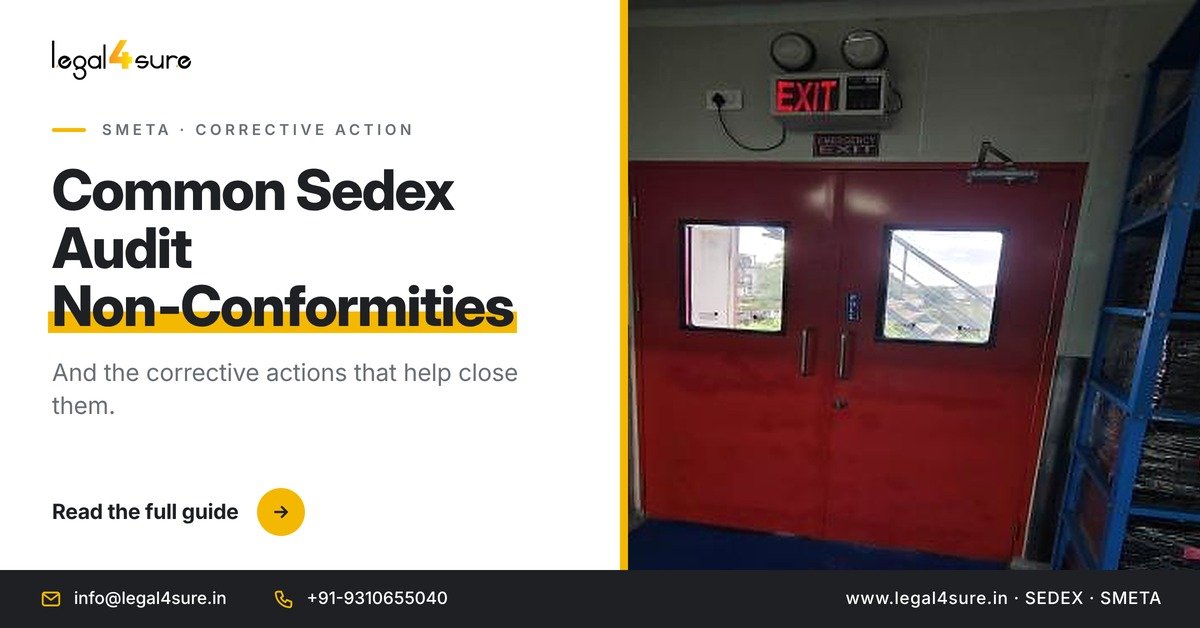
In a 2025 Sedex study on food and beverage audits, 70% contained non-compliances relating to health and safety, 34% related to working hours and 28% were related to wages. As per Sedex’s fashion manufacturing report based on 17,000 SMETA audits, these are the top three issues identified.
If your SMETA audit report has come out with its findings or if a buyer has demanded your corrective action plan before a certain date, the above figures are an indication that you are not the only one and that the vast majority of these issues can be resolved. A social compliance audit is meant to identify areas where improvements need to be made.
The article discusses how Sedex audit non-conformances and corrective actions are done, what are the most common findings in Indian factories and how to resolve them to maintain supplier ethical compliance during the next audit.
What is a SMETA non-conformity, and does it mean you’ve failed?
Where you fail to meet the standards of the ETI Base Code, SMETA requirements or national regulations, that is classified as a non-conformity or non-compliance. This is not failure. Sedex states in its SMETA guidelines that it is not a certification body and does not operate on a pass or fail system, hence no certificate is issued or revoked.
Buyers evaluate findings according to the grades provided. In line with the terms adopted by Unilever for its published audit criteria, minor, major, critical and business critical findings receive points ranging from 10 to 1,000, with the validity of an audit related to the score. Your buyer’s system may vary, so check it out.
| Finding type | What it generally signals | How a buyer may respond |
|---|---|---|
| Minor | An isolated, lower-risk gap | Fix within the agreed timeframe |
| Major | A more serious or repeated gap | Closer follow-up, sometimes on site |
| Critical | A serious risk to workers or a clear breach | Prompt action, possible escalation |
| Business critical | The severe end of the scale | May trigger the buyer’s incident process |
| Collaborative Action Required | A complex issue one site can’t solve alone | A joint plan with the buyer and others |
The findings in the report state the problem, the evidence observed by the auditor and the applicable code or legal requirement violated. Look carefully at this language, for your corrective actions need to address this issue specifically, and not a general form of it.
The SMETA 7.0 report has incorporated another audit module called the Management Systems Assessment. From Sedex’s guidance on how to grade their audits, it is evident that gaps in the policies and systems may result in systemic major or critical findings. So inadequate systems may cost you dearly, even though your shop floor is in order.
What are some common non-conformances that are seen in Indian manufacturing plants?
It is quite clear from the sector data on Sedex that the common non-conformances in India are around health and safety, working time and wages. Management systems, recruitment and environmental permits are also common. The ETI Base Code sets a maximum limit of 60 working hours per week, including overtime.
| Area | Typical finding | Corrective and preventive action |
|---|---|---|
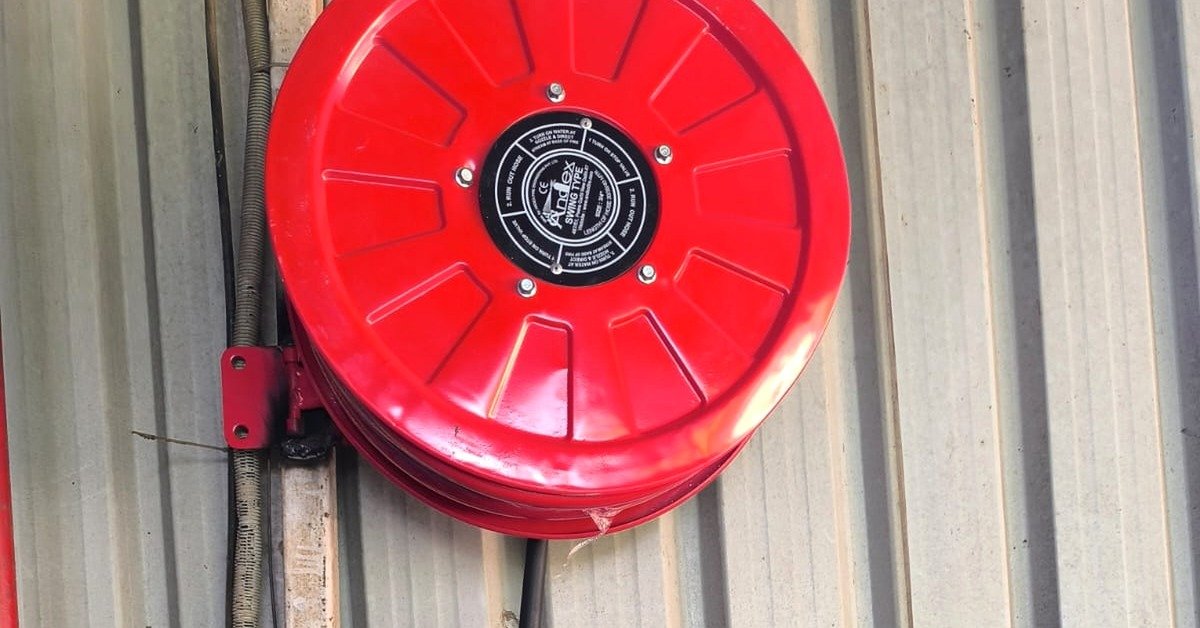
| Health and safety | Blocked fire exits, unguarded machines, unlabelled chemicals, expired extinguishers | Clear exits now; add daily floor checks with named owners and refresher training |
| Working hours | Weeks above 60 hours, no weekly rest day | Rebalance shifts; approve overtime in advance; track hours daily |
| Wages | Overtime premium miscalculated, unexplained deductions, PF or ESIC gaps | Recalculate and pay arrears; reconcile payroll to law every month |
| Management systems | No responsible manager, outdated policies, missing training records | Appoint an owner; update policies; keep signed attendance sheets |
| Recruitment and age | Missing age proof, fees paid to agents | Verify documents for all workers; ban fees in agent contracts |
| Environment (4-pillar) | Lapsed Consent to Operate, wastewater permit gaps | Renew permits; diarise expiry dates; keep a monthly permit log |
Extra checks for higher-risk work, by sub-sector
- Clothing & home textile goods (Panipat, Tiruppur, Ludhiana): Overtime during peak season, sub-contractors, child labour, living conditions.
- Chemicals & dyed products (Vapi, Ankleshwar, Taloja): Chemical handling, spills, discharge permits, PPE.
- Food & seafood products (Kochi, Visakhapatnam): Slips on wet floors, cold storage facilities, seasonal workers, recruitment expenses.
- Metalware & engineering (Moradabad, Pune, Chennai): Machine guarding, dust/fumes, noise, contractual workers.
Where hazardous chemicals are stored or discharged, expect requests for safety data sheets, waste authorisations and spill records.
Sedex audit non-conformities and corrective actions: how to close them step by step
Conclude the finding by establishing the root cause, solving the problem, ensuring that there is no recurrence of the issue, and providing evidence that is time-stamped within the agreed timeframe. As per DQS, each CAPR should include the finding, the actions taken, the timeframe, which can be immediate, 30, 60 or 90 days, and the type of verification.
Treat the plan as a working document that your HR, production and safety heads all own, rather than a task for one compliance officer.
- Review each item identified in the plan with the auditor at the close-out meeting, and keep your copy of the plan.
- Ask for the evidence and grading behind each item identified until you can summarize it in one sentence.
- Do a root cause analysis for what happened, not how it happened.
- Propose a corrective action for the particular incident and a preventive action for the system.
- Put a responsible person and a timeline for each action, following the CAPR requirements.
- Gather the evidence along the way, not at the last minute.
- Verification – Desktop Review or On-Site Follow-Up visit
- Update Sedex and inform the buyers about it.
Keep this evidence file ready:
- Photographs dated before-and-after
- Signed revised policies by management
- Signed training documents with date and topic
- Payroll and proof of payment of arrears
- Licences, permits, and certificates
| Finding | Corrective action | Preventive action |
|---|---|---|
| Fire exit blocked | Clear and mark it today | Daily checklist, supervisor sign-off, monthly drill |
| Overtime above the limit | Cut hours; pay arrears if owed | Plan production against capacity; require pre-approval |
| No age proof on file | Collect documents for every worker | Make verification a hiring gate |
For instance: the factory in Tiruppur gets an observation regarding overtime above 60 hours for one order when it was busy. The remedy here would be a shift rebalance and back pay. The prevention could be the use of the overtime form, weekly hours’ report to the factory manager, and checking capacity before accepting rush orders from the buyer. The evidence would come from having the same story in attendance, payroll, and interviews with workers.
Are you staring at the CAPR and wondering how to formulate the actions? Legal4sure can help you in reviewing your proposed plan and evidence before submission.
What changed in SMETA 7.0, and how does it differ from Indian law?
“Sedex states that SMETA 7.0 incorporated modified issue headings including Living Wages and Recruitment Fees, the Collaborative Action Required finding and the Management System Assessment. The Consumer Goods Forum has approved SMETA 7.0 through their SSCI benchmark in November 2025.”
“Meanwhile, the Ministry of Labour & Employment has implemented India’s four Labour Codes on 21st November 2025, with central government rules being published in May 2026.” Laws determine your legal responsibility. “Since SMETA audits you against the ETI Base Code and national law, the Living Wage Finding can come up even if you are paying statutory minimum wages.” Find out from your auditor what laws they have referred to.
What does fixing findings cost, and how long do you have?
Costs fall into four buckets: internal time, capital fixes, training and verification. Only your auditor or buyer can quote the last one, so request INR quotations with travel and GST shown separately.
| Component | What drives it | INR context |
|---|---|---|
| Internal time | Number of findings, management hours | Mostly salaried hours already in your budget |
| Capital fixes | Fire systems, guarding, effluent works | Get two vendor quotes in INR; costs vary with site size |
| Training and documents | Headcount, languages, frequency | Usually modest next to capital works |
| Verification | Desktop or on-site, distance, travel | Request an INR quotation; on-site typically costs more |
| Timeframe | Typical use | Example |
|---|---|---|
| Immediate | Urgent safety or rights risks | Blocked exits, locked gates |
| 30 days | Quick administrative or small physical fixes | Policy updates, signage |
| 60 days | Fixes needing purchases or a payroll cycle | Payroll corrections, equipment |
| 90 days | Larger system or building work | Permit renewals, effluent upgrades |
The clock should begin ticking from the close-out meeting and not when the report finally comes in. The auditor will give you deadlines while your buyer will be even more stringent on these. The TÜV NORD’s SMETA terms of service give a maximum period of 90 days for reporting back for verification.
Common mistakes when responding to findings
- Fixing the symptom. Check that the same weaknesses show up at the next audit visit.
- Backdating documentation. Auditors check the dates, and fraudulent documentation can transform a problem that could be fixed into an integrity issue.
- Miss the deadline. Inaction is worse for buyers than honesty about an extension.
- Cuts to overtime not planned. There will be less output, and the pressure is back. Plan capacity before the cuts.
- Treat it as documentation work. Interviews and site inspections will determine if there was any change in practice.
- Gauge it by a guarantee. No consultant guarantees no findings or rapid closure. Your buyer and the auditor do.
Fix by yourself if the reason for the finding is within your site, for example, internal policy, payroll, or housekeeping. Consult your buyer first if you have an external reason, such as pricing pressures for overtime. Find out their scoring system, deadlines, and if a desk audit is acceptable.
Do you need a consultant, and how do you choose one?
The consultant is useful where the findings affect multiple areas, you lack an in-house compliance lead or there is a deadline. The right consultant will conduct root cause testing, prepare realistic actions, develop your evidence file, and train your supervisors. He will not write a plan you cannot implement, and he should work with your auditor’s findings and not around them.
These are the questions you need to ask:
- Have they closed findings for your sub-sector/state?
- Do they base their work on root causes?
- Do they decline to provide outcome guarantees?
- Is there a written scope/fee of engagement in INR?
- Who will be at your site?
Legal4sure works with manufacturers on compliance and audit preparedness issues, including reviewing corrective action plans and evidence. If you have a deadline, tell the team, and find out what a realistic plan looks like for you.
Key Takeaways
- The failure to comply is not an automatic failure since Sedex does not employ a system where there is a passing or failing grade issued in certificate form.
- Health and safety concerns, working hours, and wages account for most of the findings by Sedex.
- Close out the findings with the cause, the action, and the documentation with a date.
- The time frame varies from immediate up to 90 days and complicated issues may require the buyer’s involvement.
- Beware of any promise of a clean report.
Conclusion
In dealing with sedex audit non-conformances and corrective actions, the key is to be honest about the root cause and date when it occurred. The report should be seen as an indication of weaknesses in your processes. Sites that consistently close out findings tend to get more credibility with buyers than those that keep quiet about them.
Resolve SEDEX Audit Findings and Strengthen Your Compliance
Facing SMETA audit non-conformities? Legal4Sure helps Indian manufacturers with root cause analysis, corrective action plan preparation, compliance gap assessment and evidence verification. Resolve audit findings effectively, prevent recurring non-compliances and strengthen supplier ethical compliance to build lasting trust with global buyers.
Frequently Asked Questions
What is Sedex membership?
Your company’s account at Sedex, which will help you share findings and corrective action plan with the buyer.
Is Sedex a certification?
No. Sedex claims that it is not a certification body, therefore findings are rated and not pass/fail.
What is a SMETA audit?
Social audit conducted at a site level using a Sedex approved auditor. The audit findings provide you with the corrective action plan.
What does a SMETA audit assess?
Always labour and safety; environment and business ethics if it is a 4-pillar audit. Findings may arise in any of the mentioned areas.
How to prepare for sedex audit non-conformities and corrective actions in India?
Conducting gap analysis on Indian law and ETI Base Code, then address issues related to hours worked, compensation and safety.
Sedex audit non-conformities and corrective actions requirements and documents: what proves closure?
Dated photographs, signed policy and training certificates, adjusted payroll data and renewed permits related to each finding.
What’s the sedex audit of non-conformities and corrective actions process step by step in brief?
Understand the issue, locate the cause, fix and prevent, collect evidence, verify and report it to Sedex.