
Imagine a toy manufacturer in Noida receives an enquiry from an international retailer. The product samples are approved, the production capacity matches the buyer’s requirements, and the pricing is competitive. But before placing the order, the buyer asks one more question: Can you share your latest SMETA audit report?
For many Indian toy manufacturers, this is where an otherwise promising export opportunity can get delayed.
International buyers are not only interested in the quality, design and safety of toys. They also want to understand how those toys are manufactured, whether workers are treated fairly, whether factory conditions are safe and whether suppliers follow responsible business practices.
This is where a Sedex audit for toy industry businesses becomes relevant. It helps manufacturers assess workplace conditions, identify compliance gaps and demonstrate their commitment to responsible manufacturing.
India’s growing toy export market makes this particularly important. According to the Ministry of Commerce and Industry, India’s toy exports increased from US 203.5 million in FY 2018-19 to US 384.7 million in FY 2025-26, registering growth of 89.1%. During the same period, imports declined by 37.5%. These figures show how Indian manufacturers are gaining a stronger position in international markets, where responsible sourcing requirements can influence supplier selection.
However, there is an important distinction to understand: Sedex is a responsible sourcing membership organisation, while SMETA is its social audit methodology. Businesses do not receive a conventional Sedex certification simply by registering. Instead, they undergo an independent SMETA audit and share the resulting audit information with buyers through the Sedex platform.
For Indian toy manufacturers planning to work with international retailers, distributors and sourcing companies, understanding this process can make supplier approval easier and help prevent avoidable compliance issues.
What Is a Sedex Audit for the Toy Industry?
A Sedex audit is a workplace and responsible sourcing assessment that helps toy manufacturers demonstrate how they manage labour practices, worker safety, environmental responsibilities and business ethics. It is conducted using the SMETA methodology by an independent, Sedex-approved audit company.
For toy manufacturers, this assessment is particularly relevant because production can involve several activities, including plastic moulding, wooden toy assembly, painting, stitching, packaging, labelling and subcontracted work.
Each activity can create different workplace risks that buyers may want to understand before approving a supplier.
Understanding Sedex and SMETA
The two terms are often used together, but they serve different purposes.
| Term | What it means |
| Sedex | A global platform where businesses share responsible sourcing and workplace information with buyers. |
| SMETA | Sedex Members Ethical Trade Audit, a methodology used to assess workplace conditions and business practices. |
| Sedex membership | Allows businesses to register on the platform, maintain their information and share audit data with customers. |
| SMETA audit report | Records audit observations, findings and areas requiring improvement. |
According to Sedex, SMETA is designed around internationally recognised labour standards, ILO conventions, local laws and responsible business practices. The assessment also provides a Corrective Action Plan (CAP) to help businesses address identified issues.
An important point for manufacturers: Sedex membership and a SMETA audit are not the same as receiving an ISO-style certification. Buyers may informally ask for Sedex certification, but what they generally expect is an active Sedex profile and an acceptable, shareable SMETA audit report.
Why Is Sedex Compliance Important for Indian Toy Manufacturers?
Sedex compliance helps Indian toy manufacturers demonstrate responsible workplace practices to international buyers, improve factory management and address supplier approval requirements. It can also help businesses identify problems before they affect production, employee welfare or customer relationships.
India’s toy manufacturing industry has been moving towards better quality standards and stronger export performance.
According to a Ministry of Commerce and Industry update published in July 2026:
- Toy exports reached US$384.7 million in FY 2025-26, compared with US$203.5 million in FY 2018-19.
- Toy imports declined by 37.5% over the same period.
- A BIS survey conducted in 2025 found that 95% of toy samples met prescribed quality standards, compared with 33% in 2019.
- The 2026 Toy Biz International exhibition brought together 400 Indian toy brands and 100 international buyers from 40 countries.
These developments create opportunities for Indian businesses supplying toys to overseas retailers, wholesalers, distributors and private-label brands.
However, product quality is only one part of supplier approval.
An international buyer may also ask:
- Are workers receiving legally required wages?
- Are employees working within permitted working hours?
- Are fire exits and emergency arrangements adequate?
- Are workers protected from hazardous chemicals and machinery?
- Are subcontractors following the same workplace standards?
- Does the factory have a system to address employee complaints?
A manufacturer may produce excellent plastic toys, educational toys, soft toys or wooden toys, but unresolved workplace issues can still affect its ability to meet buyer requirements.
This is why a Sedex audit for toy industry suppliers can become an important part of export preparation.
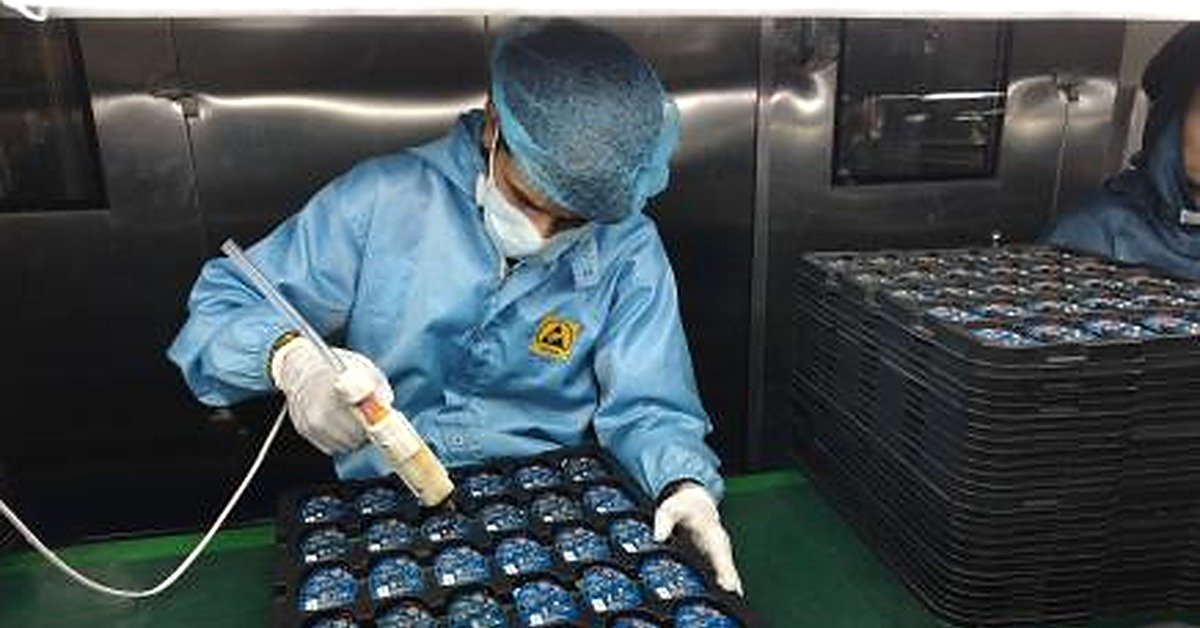
Which Toy Manufacturers Should Consider This Audit?
The assessment is relevant to businesses involved in different types of toy production and supply.
| Business type | Why the assessment matters |
| Plastic toy manufacturers | Machinery safety, chemical handling, worker protection and production conditions. |
| Wooden toy manufacturers | Dust exposure, cutting equipment, painting and chemical storage. |
| Soft toy manufacturers | Stitching conditions, needle safety, worker welfare and subcontracting. |
| Educational toy manufacturers | Assembly operations, packaging, employment practices and supplier management. |
| Electronic toy manufacturers | Electrical assembly, soldering, chemical exposure and workplace safety. |
| Toy exporters and private-label suppliers | Buyer expectations, supplier transparency and responsible sourcing. |
Even small and medium-sized factories can prepare for an assessment. The scale of the factory does not remove the need to comply with applicable labour and workplace safety laws.
What Does a SMETA Audit Check in Toy Manufacturing?
A SMETA audit for toy manufacturing examines how a factory manages workers, workplace conditions, environmental responsibilities and business ethics. The auditor reviews documents, observes factory operations, interviews employees and checks whether actual practices match the company’s policies and applicable requirements.
SMETA has four main pillars. According to Sedex, Labour Standards and Health and Safety are assessed in every SMETA audit, while Environment and Business Ethics are included in the four-pillar option. Sedex reports that around 70% of SMETA audits use the four-pillar approach.
1. Labour Standards
Labour standards focus on whether employees are treated fairly and receive their legal employment rights. The auditor checks employment records, wage payments, working hours, recruitment practices and employee treatment.
For an Indian toy factory, this can include:
- Employment contracts and appointment letters.
- Minimum wage compliance.
- Overtime records and payment.
- Attendance and leave registers.
- Employee age verification.
- Prevention of child labour and forced labour.
- Non-discrimination and equal treatment.
- Grievance reporting and complaint procedures.
- Responsible management of contract workers and subcontractors.
Example: A wooden toy manufacturer hires seasonal workers during the festive production period. However, some workers do not have proper employment records and their overtime payments are not documented. These gaps can become audit findings even if the factory delivers orders on time.
2. Health and Safety
Health and safety requirements examine whether employees have a safe working environment and whether the factory has effective procedures to prevent workplace accidents.
Toy manufacturing involves machinery, tools, chemicals, electricity and repetitive activities. Each can create risks if the factory does not maintain proper controls.
Auditors may examine:
- Fire extinguishers and emergency exits.
- Fire evacuation plans and mock drills.
- First-aid facilities.
- Machine guards and emergency stop systems.
- Electrical wiring and equipment maintenance.
- Personal protective equipment (PPE).
- Ventilation and lighting.
- Safe storage of paints, adhesives and solvents.
- Chemical Safety Data Sheets.
- Workplace cleanliness and sanitation.
- Accident and incident registers.
Example: Consider a plastic toy factory where employees operate injection moulding machines. If moving parts are exposed or workers are not trained to operate equipment safely, the auditor may identify a workplace safety concern.
3. Environment
The environmental pillar examines how a manufacturing unit manages its impact on the surrounding environment. It covers the factory’s approach to waste, water, energy and pollution management.
For toy manufacturers, this may include:
- Plastic scrap collection and disposal.
- Management of paint and chemical waste.
- Wastewater treatment, where applicable.
- Energy and water consumption records.
- Air emissions and ventilation controls.
- Environmental permits and applicable approvals.
- Waste segregation and recycling practices.
For example, a plastic toy manufacturer generating rejected moulded components should have a documented process for collecting, reusing or disposing of that waste responsibly.
4. Business Ethics
Business ethics examines whether a company operates transparently and has controls against unethical business practices.
This pillar is particularly relevant to manufacturers supplying large international retailers, distributors and sourcing companies.
The auditor may examine:
- Anti-bribery and anti-corruption policies.
- Conflict-of-interest declarations.
- Confidentiality and data protection.
- Whistleblowing procedures.
- Ethical supplier selection.
- Transparent business records.
- Controls against fraudulent practices.
A company should be able to demonstrate that its ethical policies are not simply documents prepared for an audit but are followed in daily business operations.
Sedex Audit Checklist for Toy Manufacturing Units
A Sedex audit checklist for toy manufacturing helps factory owners identify documentation gaps, workplace risks and operational issues before the actual assessment. It should cover employee records, wage registers, safety arrangements, machinery, chemical handling, environmental controls and management procedures.
The following checklist can help Indian manufacturers organise their preparation.
Pre-audit preparation checklist
| Area | Documents and checks to prepare |
| Company information | Factory registration, applicable licences and site details. |
| Employee records | Appointment letters, employee lists, age proof and attendance records. |
| Wages | Salary registers, wage slips, bank payment records and overtime calculations. |
| Working hours | Shift schedules, overtime records, weekly rest and leave records. |
| Health and safety | Risk assessments, fire safety records, evacuation plans and training records. |
| Machinery | Equipment inspection, maintenance and operator training records. |
| Chemicals | Chemical inventory, safety data sheets, storage and handling procedures. |
| Employee welfare | Drinking water, sanitation, first aid and grievance mechanisms. |
| Environment | Waste disposal records, water and energy information and applicable environmental permissions. |
| Business ethics | Anti-bribery policy, grievance channels and supplier management procedures. |
| Subcontracting | Subcontractor details, employment practices and monitoring records. |
Remember: This is a practical preparation checklist, not an official or exhaustive SMETA auditor checklist. The actual assessment depends on the audit scope, site activities, applicable legal requirements and SMETA methodology.
Important Documents Toy Manufacturers Should Keep Ready
Documentation is one of the most important parts of audit preparation because auditors need evidence that workplace procedures are being followed.
Some commonly required records include:
- Factory registration and applicable statutory licences.
- Employee appointment letters and age verification documents.
- Attendance and working-hour registers.
- Wage and overtime payment records.
- Applicable employee benefit and social security records.
- Fire safety and emergency evacuation documentation.
- Machinery inspection and maintenance records.
- Employee health and safety training records.
- Chemical inventory and Safety Data Sheets.
- Waste management and environmental records.
- Employee grievance and disciplinary procedures.
- Applicable contractor and subcontractor records.
The factory should maintain accurate, updated records rather than creating documents only when an audit is scheduled.
How Does the Sedex Audit Process Work for Toy Manufacturers in India?
The audit process generally involves registration, workplace assessment, documentation review, an independent factory audit, reporting and corrective action. Manufacturers should first understand their buyer’s requirements and confirm whether a two-pillar or four-pillar SMETA assessment is expected.
Here is how the process typically works.
Step 1: Register on the Sedex platform
The manufacturer creates a supplier account, adds factory information and completes the relevant business assessment. An active membership is required for a SMETA audit to be shared through the platform.
Step 2: Conduct a compliance gap assessment
Review employment records, wages, working hours, safety procedures, machinery, chemical handling and environmental practices. Identify problems that need attention before the audit.
Step 3: Select a Sedex-approved audit company
The factory coordinates with an approved Affiliate Audit Company (AAC) to arrange the assessment. Only Sedex-approved audit companies can conduct SMETA audits.
Step 4: Complete the factory audit
The auditor reviews documents, inspects the premises, observes working conditions and interviews employees. The assessment covers the selected audit pillars.
Step 5: Receive the audit report and corrective action plan
The findings are recorded in the audit report. Any identified non-compliances or improvement areas are addressed through corrective actions, supported by relevant evidence.
Step 6: Share audit information with buyers
Once the audit information is available on the Sedex platform, the manufacturer can share it with authorised customers and buyers, subject to the relevant access permissions.
According to Sedex, SMETA audits must be conducted by independent, approved third-party audit companies. Sedex itself does not directly conduct these factory audits.
What Has Changed Under SMETA 7.0?
SMETA 7.0 introduced a stronger focus on workplace requirements and the management systems used to maintain compliance. Instead of looking only at whether a factory meets a requirement during the audit, the methodology also examines whether its systems can maintain those conditions over time.
The major changes include:
- Workplace Requirements: Clearly defined expectations for working conditions and compliance.
- Management Systems Assessment: Examination of how policies and procedures identify, control and manage risks.
- Collaborative Action Required: Findings that highlight where businesses and relevant stakeholders need to work together to achieve sustainable improvements.
- Greater focus on evidence: A stronger assessment of whether management practices are actually implemented.
As explained in Sedex’s SMETA 7.0 guidance, these changes aim to identify the root causes of workplace issues and support lasting improvements rather than focusing only on individual audit findings.
For a toy manufacturer, this means having a fire safety policy is not enough. The factory must also demonstrate that employees understand emergency procedures, equipment is maintained and safety arrangements work in practice.
How Much Does Sedex Certification Cost for Toy Manufacturing Businesses in India?
The cost of Sedex compliance depends on the number of factory sites, membership type, audit scope, employee strength, auditor fees and the work required to close compliance gaps. There is no single fixed audit price applicable to every toy manufacturer in India.
It is important to calculate the total investment rather than considering only the auditor’s fee.
1. Sedex Membership Fees
According to Sedex’s published supplier membership pricing, the annual charges are:
| Membership plan | Annual price per site |
| Standard Supplier Membership | £224 |
| Supplier Plus Membership | £374 |
The Standard plan provides platform access and supplier information-sharing facilities. Supplier Plus includes additional visibility and tools. These are published GBP prices, and applicable regional taxes may affect the final amount.
Grow Beyond Compliance
2. SMETA Audit Fees
Sedex’s published fee schedule states that from 1 July 2026, the SMETA platform fee is £199 per audit, charged directly to the audit company. This is not the complete factory audit fee.
Sedex
The actual quotation from an audit company can vary according to:
- Number of employees.
- Number of manufacturing locations.
- Two-pillar or four-pillar assessment.
- Audit duration and travel requirements.
- Factory operations and risk profile.
- Additional preparation or follow-up requirements.
3. Compliance Preparation Costs
Factories may also need to invest in improving workplace conditions before the assessment.
For example:
- Installing machine guards.
- Improving fire safety arrangements.
- Providing suitable PPE.
- Updating employee documentation.
- Improving chemical storage.
- Arranging safety training.
- Strengthening waste management procedures.
These costs depend on the factory’s existing condition. A manufacturer with well-maintained records and safety arrangements may need less corrective investment than a factory with multiple compliance gaps.
For an accurate quotation: Ask your consultant to separate membership charges, the audit company’s professional fees, travel expenses and any additional compliance improvement costs. This makes it easier to plan your budget.
How Long Does the Sedex Audit Process Take?
The time required depends on the factory’s readiness, documentation, audit scope and corrective actions. The physical audit is only one part of the process, so manufacturers should not confuse audit days with the complete time needed to prepare and close findings.
Sedex’s published illustrative audit durations are approximately:
| Audit type | Illustrative audit duration |
| SMETA 2-Pillar | 2 days |
| SMETA 4-Pillar | 3 days |
These are indicative audit durations, not guaranteed timelines for every site.
A practical preparation schedule can include:
| Activity | What happens |
| Initial assessment | Identify compliance gaps and buyer requirements. |
| Documentation preparation | Organise employee, wage, safety and environmental records. |
| Workplace improvements | Correct identified operational and safety gaps. |
| Audit scheduling | Coordinate with an approved audit company. |
| Physical audit | Complete the on-site assessment. |
| Corrective actions | Address findings and provide supporting evidence. |
Factories with organised documentation and established procedures may be able to prepare more quickly. However, issues involving infrastructure, worker safety or employment practices can require additional time.
Common Reasons Toy Manufacturers Face SMETA Audit Findings
Most workplace audit findings are not caused by a single major problem. They can arise from small gaps in documentation, poor implementation of policies or differences between what management claims and what employees experience.
For a toy manufacturing unit, some common risk areas include:
| Common issue | Why it can become a finding | What the factory should do |
| Incomplete wage records | Payment information may not demonstrate legal wage compliance. | Maintain accurate wage slips and payment records. |
| Excessive working hours | Overtime may not follow applicable legal requirements. | Monitor shifts, overtime and rest periods. |
| Poor fire safety | Blocked exits or inadequate emergency arrangements can endanger workers. | Maintain exits, equipment and evacuation procedures. |
| Unsafe machinery | Missing guards can expose employees to injuries. | Install safety guards and conduct regular inspections. |
| Chemical mismanagement | Improper storage of paints and adhesives creates exposure risks. | Maintain inventories, labels and safe handling procedures. |
| Incomplete employee records | Missing age or employment information makes verification difficult. | Keep updated employment documentation. |
| Unmonitored subcontractors | Workers outside the main factory may face different working conditions. | Maintain subcontractor records and assess their practices. |
How Should Manufacturers Handle a Corrective Action Plan?
A Corrective Action Plan (CAP) records issues identified during an assessment and the actions needed to address them. It helps manufacturers move from identifying a problem to implementing and documenting a solution.
A practical approach includes:
- Understand the finding: Identify the exact requirement that has not been met.
- Find the root cause: Determine why the issue occurred rather than correcting only its visible symptoms.
- Assign responsibility: Give the relevant department or manager ownership of the corrective action.
- Implement improvements: Make the required changes to policies, infrastructure or daily operations.
- Collect evidence: Maintain photographs, updated registers, training records and other relevant proof.
- Review effectiveness: Check whether the improvement is working consistently.
For example, if workers are operating without appropriate machine protection, simply purchasing safety guards is not the complete solution. The factory should also install them correctly, train employees and establish regular safety inspections.
A corrective action should solve the underlying issue, not just make the factory appear ready for an inspection.
Is Sedex Required for Toy Manufacturing Exporters in India?
Sedex is not a general legal certification requirement for every toy manufacturer in India. However, international buyers, retailers and sourcing companies may make Sedex membership and a SMETA audit part of their supplier approval requirements.
For manufacturers planning to export toys to markets such as the UK, USA, Germany, the Netherlands and other European countries, buyer-specific responsible sourcing requirements can influence business opportunities.
It is important to understand the difference between legal requirements and buyer expectations.
| Requirement | Purpose |
| BIS certification | Demonstrates conformity with applicable Indian toy safety standards. |
| Sedex membership | Allows businesses to share responsible sourcing information with buyers. |
| SMETA audit | Assesses workplace practices and identifies areas requiring improvement. |
| Buyer-specific compliance | Helps suppliers meet individual customer and sourcing requirements. |
According to the Ministry of Commerce and Industry, the Toy Quality Control Order came into effect on 1 January 2021, making applicable BIS requirements an important part of toy manufacturing and sales in India. This is separate from voluntary responsible sourcing assessments such as SMETA.
A factory should therefore check both its statutory obligations and the compliance expectations of its intended customers.
How Can Legal4Sure Help Toy Manufacturers Prepare for Sedex Audits?
Legal4Sure helps toy manufacturers understand audit requirements, identify compliance gaps, organise documentation and prepare their facilities for responsible sourcing assessments. Its consulting support focuses on helping businesses understand what buyers expect and what improvements may be needed before an independent audit.
For manufacturers entering international supply chains, preparation can be challenging. Labour documentation, workplace safety, environmental records and supplier management all need attention.
Legal4Sure supports businesses through the preparation journey with:
1. Initial Compliance Assessment
An initial review helps identify gaps in existing workplace practices, factory documentation and management procedures.
2. Documentation Support
Manufacturers receive guidance on organising employment records, wage registers, safety documents, policies and other relevant information.
3. Workplace Compliance Guidance
The consulting process helps identify areas requiring attention, including machinery safety, emergency arrangements, chemical handling and employee welfare.
4. Corrective Action Support
If gaps are identified, businesses can receive guidance on understanding findings, identifying root causes and preparing suitable corrective actions.
5. Audit Coordination Guidance
Legal4Sure can help businesses understand the audit process and prepare for coordination with an appropriately approved independent audit company.
6. Ongoing Compliance Assistance
Maintaining responsible workplace practices requires regular monitoring. Businesses can strengthen their internal processes to reduce recurring compliance issues.
Planning to supply toys to international buyers? Legal4Sure can help you understand your compliance requirements and prepare your manufacturing facility for the assessment.
Get Compliance Assistance
Talk to Legal4Sure about your audit preparation requirements and take the next step towards responsible manufacturing.
Why Choose Legal4Sure for Sedex Compliance Support?
Choosing the right compliance consultant can make the preparation process easier for manufacturers. Legal4Sure focuses on helping businesses understand applicable requirements, organise their documentation and address compliance gaps before an independent audit.
Here is why businesses can consider Legal4Sure:
- Industry-focused guidance: Support for businesses across manufacturing sectors, including toys, textiles, plastics, rubber, food and pharmaceuticals.
- Practical compliance assistance: Guidance on documentation, workplace requirements and corrective actions.
- End-to-end preparation support: Assistance from initial assessment through audit readiness.
- Buyer requirement understanding: Help interpreting customer-specific social compliance expectations.
- Multiple compliance services: Assistance with SMETA, FSSC 22000, BRCGS, ISO standards and other relevant compliance requirements.
- Continued support: Guidance to help businesses maintain workplace standards beyond the audit.
Legal4Sure has been working in the compliance consulting space since 2015, supporting more than 4,500 businesses and facilitating training for over 12,000 workers.
The objective is not simply to prepare a factory for an audit. It is to help businesses develop workplace practices that support long-term buyer relationships.
Note: Legal4Sure provides consulting and preparation assistance. The independent SMETA audit must be conducted by a Sedex-approved Affiliate Audit Company. Legal4Sure does not issue Sedex membership or SMETA audit reports.
Key Takeaways
- Sedex helps toy manufacturers share responsible sourcing information with international buyers.
- SMETA is the audit methodology used to assess workplace practices.
- The four pillars cover Labour Standards, Health and Safety, Environment and Business Ethics.
- Toy factories should maintain accurate employee, wage, attendance and safety records.
- SMETA 7.0 places additional emphasis on management systems and sustainable improvements.
- Audit expenses depend on membership, factory size, audit scope and the auditor’s quotation.
- A Corrective Action Plan helps manufacturers address findings and improve workplace conditions.
- Legal4Sure can assist Indian manufacturers with compliance preparation and audit readiness.
Ready to Prepare Your Toy Manufacturing Business for International Buyers?
A strong product range can help a toy manufacturer attract international buyers, but responsible manufacturing practices help build lasting supplier relationships.
Whether you manufacture plastic toys, wooden toys, educational toys, soft toys or electronic toys, preparing your workplace for responsible sourcing assessments can strengthen your business’s readiness for global supply chains.
Legal4Sure can help you understand your compliance requirements, identify workplace gaps and prepare for an independent SMETA audit.
Contact Legal4Sure today to discuss your Sedex audit preparation requirements.
Prepare Your Toy Manufacturing Business for Global Buyers
Strengthen your export readiness with expert guidance on Sedex membership, SMETA audit preparation, workplace compliance, documentation and corrective actions. Legal4Sure helps toy manufacturers identify compliance gaps and prepare for independent audits to meet international buyer expectations.
Frequently Asked Questions
Is Sedex required for toy manufacturing exporters?
No, Sedex membership is not a universal legal requirement for Indian toy exporters. However, international retailers, sourcing companies and buyers may require suppliers to register on Sedex and undergo a SMETA audit as part of their supplier approval process.
What do SMETA auditors check in toy manufacturing units?
SMETA auditors check employment records, wages, working hours, employee welfare, machinery safety, fire protection, chemical handling, environmental practices and business ethics. The assessment depends on whether the factory chooses a two-pillar or four-pillar audit.
How much does Sedex cost for toy manufacturing businesses?
The cost depends on annual membership, the audit company’s professional fees, factory size, audit scope and compliance improvements. Sedex’s published Standard Supplier Membership is £224 per site annually, while Supplier Plus costs £374. The separate SMETA platform fee is £199 per audit from July 2026.
How long does it take to complete a Sedex audit?
The physical assessment can take approximately two days for a two-pillar audit and three days for a four-pillar audit, depending on the site and audit requirements. Preparation and corrective action closure can take additional time.
What is the difference between Sedex and SMETA?
Sedex is a platform that allows businesses to share responsible sourcing information with buyers. SMETA is the audit methodology used to assess workplace practices, labour standards, health and safety, environmental management and business ethics.
Can small toy manufacturers apply for Sedex membership?
Yes. Small and medium-sized toy manufacturers can register on Sedex. Membership is not restricted to large exporters. They should select the appropriate membership and understand their customers’ audit expectations.
Is a two-pillar or four-pillar SMETA audit better for toy manufacturers?
The right option depends on buyer requirements. A two-pillar audit covers Labour Standards and Health and Safety, while a four-pillar audit additionally covers Environment and Business Ethics. Manufacturers should confirm the required scope with their buyers before scheduling an assessment.
Can a toy manufacturer share one SMETA audit report with multiple buyers?
Yes. Sedex allows supplier members to share their SMETA audit information with multiple authorised buyers. This can reduce duplication when different customers request similar social compliance assessments.
Does Sedex certification replace BIS certification for toys in India?
No. BIS certification and Sedex-related assessments serve different purposes. BIS addresses applicable product safety requirements, whereas SMETA evaluates workplace and responsible business practices. Toy manufacturers must meet the relevant statutory product safety requirements independently.
What happens if a toy manufacturer fails a SMETA audit?
SMETA is not a conventional pass-or-fail certification. The audit identifies findings and provides a Corrective Action Plan. The manufacturer is expected to investigate the issues, implement improvements and provide supporting evidence. Buyers evaluate the findings and progress according to their own supplier approval requirements.