

A buyer from the UK asks your factory for a SMETA audit report. Your production team is confident about its work, HR has maintained employee records, and the factory follows its regular safety procedures. But when the auditor arrives, they ask to see overtime records, speak privately with workers, inspect emergency exits and compare wage slips with attendance registers.
Suddenly, the audit becomes much more than checking documents.
This is what Indian manufacturers need to understand before going through a Sedex audit. International buyers want evidence that the factories supplying their products treat workers fairly, maintain safe working conditions and follow responsible business practices.
For Indian factories supplying products to the UK, Europe, the US and other international markets, a social compliance audit can influence buyer relationships, supplier approval and future business opportunities.
But what exactly happens during the audit? What documents should you prepare? Which mistakes can lead to non-compliance, and what happens if your factory does not meet the requirements?
This guide explains the complete process, from audit preparation and worker interviews to corrective actions, timelines and professional compliance support.
What Is a Sedex Audit and Why Does It Matter for Indian Factories?
A Sedex audit is generally understood by suppliers as an assessment of their workplace practices against responsible business and ethical trade expectations. The audit most commonly associated with Sedex is SMETA, which stands for Sedex Members Ethical Trade Audit.
Sedex is a platform that helps businesses manage supply chain sustainability information, while SMETA is the audit methodology used to assess working conditions and business practices at individual sites.
According to Sedex’s official SMETA audit guidelines, the assessment considers the ETI Base Code, International Labour Organization (ILO) conventions and applicable local laws. It is conducted by independent auditors from Sedex-approved Affiliate Audit Companies (AACs).
For Indian manufacturers, this assessment can help demonstrate that their factories follow responsible employment practices, maintain workplace safety and address environmental and ethical risks.
There is one important distinction to understand: Sedex membership and a SMETA audit are not certifications. Sedex does not issue a certificate or declare a factory as passed or failed. Instead, the audit produces findings that buyers and suppliers use to understand risks and plan improvements.
This distinction matters when a buyer asks for Sedex certification. Usually, the buyer wants the supplier to have an active Sedex account, complete the required SMETA assessment and share its audit report through the platform.
Why are Indian manufacturers being asked for social compliance audits?
Indian factories supplying international brands often need to demonstrate that their operations meet buyer-specific ethical sourcing requirements.
Consider an Indian garment manufacturer exporting products to a European retailer. The retailer may want to understand whether the factory:
- Pays workers according to applicable wage requirements.
- Maintains accurate attendance and overtime records.
- Provides safe working conditions.
- Prevents child labour and forced labour.
- Gives workers access to grievance mechanisms.
- Manages waste, chemicals and other environmental risks.
These expectations are not limited to garment manufacturers. Food processing units, packaging factories, engineering companies, textile manufacturers, leather units, furniture manufacturers and other export-oriented businesses may also receive audit requests.
The commercial benefit: A well-managed social compliance system can help suppliers respond to buyer requirements, demonstrate transparency and maintain stronger business relationships.
What Are the Four Pillars of a SMETA Audit?
A SMETA assessment can follow either a 2-Pillar or 4-Pillar approach. The 2-Pillar assessment covers Labour Standards and Health & Safety, while the 4-Pillar assessment adds Environment and Business Ethics.
According to Sedex’s SMETA 7.0 guidance, the four pillars examine different aspects of responsible business operations. The scope selected for a factory depends on buyer requirements and the assessment being requested.
THE FOUR AREAS OF ASSESSMENT
- Labour Standards
Wages, working hours, employment contracts, forced labour, child labour, discrimination and worker rights.
- Health & Safety
Fire safety, emergency exits, machinery protection, PPE, hygiene and workplace hazards.
- Environment
Waste disposal, water usage, energy consumption, emissions and environmental permits.
- Business Ethics
Anti-bribery policies, ethical business practices, grievance systems and management controls.
1. Labour Standards
Labour Standards examine whether workers are employed fairly and whether their legal rights are protected.
Auditors may review:
- Appointment letters and employment contracts.
- Minimum wages and wage payment records.
- Overtime calculations and working hours.
- Weekly holidays and leave records.
- PF and ESI records, where applicable.
- Age verification and recruitment practices.
- Prevention of forced and child labour.
- Policies against discrimination and harassment.
Example: A factory maintains attendance records showing that workers completed eight hours per day. However, the wage register shows overtime payments without corresponding overtime records. This mismatch can raise questions about the accuracy of working-hour records.
The factory should ensure that attendance, wage slips, overtime registers and payment records are consistent.
2. Health and Safety
The Health & Safety pillar checks whether employees can perform their work without unnecessary risks to their health and safety.
An auditor may inspect:
- Fire extinguishers and their inspection records.
- Emergency exits and evacuation routes.
- First-aid facilities.
- Electrical installations and wiring.
- Machine guards and safety switches.
- Personal protective equipment (PPE).
- Drinking water and sanitation facilities.
- Safety training and accident records.
- Chemical storage and handling procedures.
Example: A factory has installed fire extinguishers throughout its production area, but some emergency exits are blocked by finished-goods cartons.
Having fire safety equipment is not enough. Employees must be able to access emergency exits without obstruction.
3. Environment
The Environment pillar examines how a factory manages its impact on the surrounding environment.
Depending on the audit scope, the assessment may cover:
- Waste segregation and disposal.
- Hazardous waste management.
- Water consumption and wastewater treatment.
- Air emissions.
- Energy consumption.
- Chemical handling and storage.
- Environmental policies and permits.
Example: A food processing factory generates wastewater during equipment cleaning. If the factory cannot demonstrate how this wastewater is treated and disposed of, the auditor may raise an environmental finding.
4. Business Ethics
Business Ethics focuses on whether the factory has systems to prevent unethical business practices.
Auditors may examine:
- Anti-bribery and anti-corruption policies.
- Confidential reporting mechanisms.
- Grievance-handling procedures.
- Management accountability.
- Ethical business conduct.
- Systems for identifying and managing risks.
Example: A factory has an anti-bribery policy in its employee handbook, but workers and supervisors do not know how to report unethical behaviour. This indicates a gap between having a policy and implementing it.
Important: Not every factory will automatically undergo the same assessment scope. A buyer may request a 2-Pillar or 4-Pillar assessment based on its supply chain requirements.
What Happens During a Sedex Audit for Indian Factories?
A typical assessment includes an opening meeting, workplace inspection, document verification, management discussions, confidential worker interviews and a closing meeting.
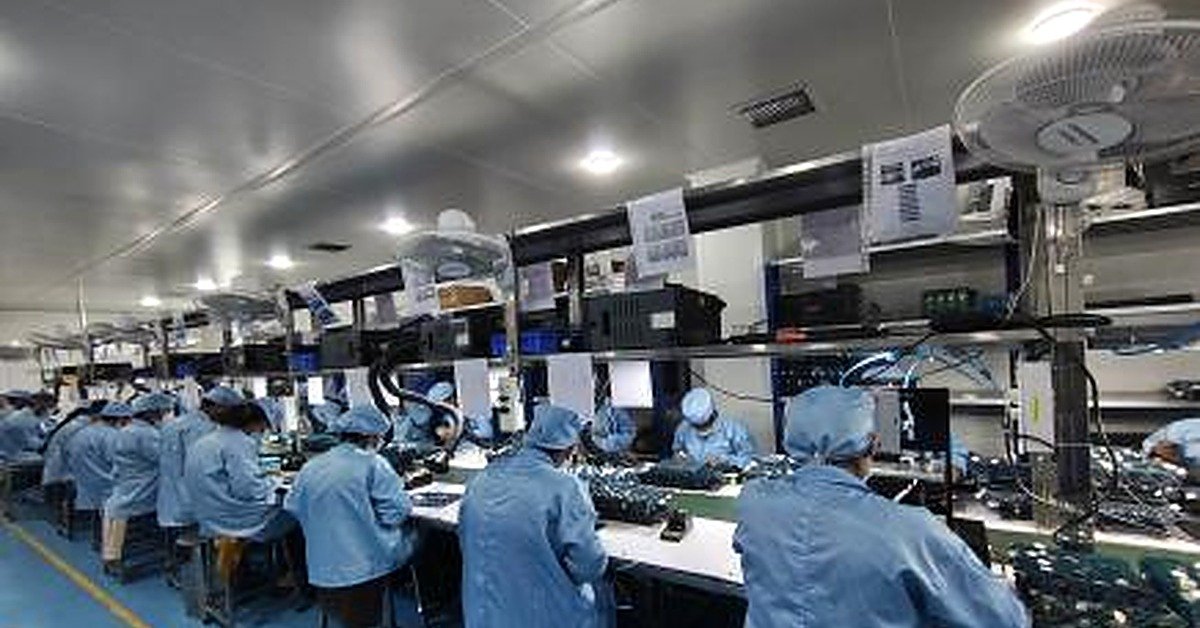
The Sedex audit process is designed to examine actual workplace conditions rather than relying only on documents submitted by management. Sedex’s published audit workflow describes these stages as part of the on-site assessment.
Here is what an Indian factory can expect on the audit day.
Step 1. Opening Meeting
The auditor begins with an opening meeting with factory management and the responsible compliance representatives.
During this meeting, the auditor may discuss:
- The audit scope and objectives.
- Factory operations and production activities.
- Employee strength and workforce structure.
- Working shifts and operating hours.
- Departments and production processes.
- Available documents and records.
The management team should nominate one responsible person to coordinate with the auditor throughout the assessment.
Step 2. Factory Site Inspection
The auditor visits different sections of the factory to understand how daily operations are managed.
This may include production floors, warehouses, canteens, washrooms, chemical storage areas, electrical rooms and other relevant facilities.
The auditor checks whether actual workplace conditions match the factory’s documented policies and procedures.
For example, if the factory’s safety policy requires workers to wear protective equipment, the auditor will check whether employees are actually using it.
Step 3. Document Verification
Document verification is one of the most important stages of the assessment.
The auditor checks whether the factory maintains accurate and consistent records relating to employee welfare, wages, working hours, safety and environmental management.
For example, if an employee’s attendance register shows 26 working days, the wage slip should reasonably reflect the corresponding payment and any applicable overtime.
Missing documents, outdated records and inconsistent information can lead to findings.
Step 4. Worker Interviews
Worker interviews help auditors understand the employees’ actual working experience.
These discussions are generally conducted confidentially so workers can share their concerns without pressure from management.
Questions may cover:
- Are you paid on time?
- Do you receive your wage slips?
- Are you required to work overtime?
- Can you refuse overtime where legally permitted?
- Do you feel safe at your workplace?
- Have you experienced discrimination or harassment?
- Do you know how to raise a complaint?
Why does this matter?
A factory may have a written policy against excessive overtime, but workers might report that they regularly work beyond recorded hours.
Such differences between official records and employee responses can lead to further investigation.
Management should never coach workers to give prepared answers or discourage them from sharing genuine concerns.
Step 5. Closing Meeting and Audit Findings
After completing the inspection and document review, the auditor conducts a closing meeting with management.
The auditor discusses identified issues, explains relevant findings and records the necessary corrective actions.
The audit findings are documented in the audit report and Corrective Action Plan Report (CAPR), as applicable.
The factory can then review each finding, identify its root cause and prepare evidence showing how the issue will be corrected.
Sedex Audit Checklist: Documents Indian Factories Should Prepare
A practical document review should cover employee information, wage payments, attendance, workplace safety, environmental management and business policies.
A factory should not wait until the auditor arrives to collect these records. Maintaining them as part of regular operations makes the assessment easier and helps identify gaps early.
The following Sedex audit checklist covers commonly reviewed documents. The exact requirements depend on the factory’s size, operations, applicable laws and audit scope.
| Assessment area | Documents and records to prepare |
| Factory information | Company registration, factory details, employee strength and organisation chart |
| Employee records | Appointment letters, employment contracts and employee master register |
| Wage records | Wage registers, wage slips, bank payment records and overtime calculations |
| Working hours | Attendance registers, shift schedules, leave and weekly-off records |
| Social security | Applicable PF, ESI and other statutory contribution records |
| Recruitment | Age verification, recruitment records and contractor documentation |
| Health and safety | Risk assessments, safety policies, training records and incident registers |
| Fire safety | Fire equipment inspection records, evacuation plans and drill reports |
| Medical facilities | First-aid records, medical arrangements and relevant health records |
| Environment | Waste disposal records, environmental permissions and wastewater management records |
| Business ethics | Anti-bribery policy, grievance procedure and complaint registers |
| Management systems | Internal inspections, corrective action records and compliance reviews |
Important Indian compliance records to keep ready
Indian manufacturers should also review their applicable statutory obligations before an assessment.
The Government of India implemented four Labour Codes with effect from 21 November 2025, consolidating 29 existing central labour laws. These include the Code on Wages, Industrial Relations Code, Code on Social Security and Occupational Safety, Health and Working Conditions Code.
For factory management, this makes it particularly important to review:
- Wage payment and minimum-wage compliance.
- Appointment letters and employment records.
- Applicable social security contributions.
- Working hours and overtime.
- Occupational safety and health arrangements.
- Welfare facilities and employee protections.
The Ministry of Labour and Employment also provides the relevant Labour Codes, implementation documents and compliance guidance through its official website.
A useful approach: Do not prepare documents only to satisfy an auditor. Check whether the records reflect what is actually happening inside the factory.
How to Prepare for a Sedex Audit: A Step-by-Step Guide
Good preparation starts several weeks before the scheduled assessment. Factories should review their legal compliance, check employee records, inspect workplace conditions and identify gaps that could lead to audit findings.
For effective SMETA audit preparation, management should involve HR, administration, production, safety and accounts teams rather than leaving everything to one compliance executive.
Here is a practical preparation process for Indian manufacturers.
Step 1. Understand the Buyer’s Requirements
Before arranging an audit, confirm what the buyer expects from your factory.
Find out:
- Whether a 2-Pillar or 4-Pillar audit is required.
- Whether the audit should be announced, semi-announced or unannounced.
- Whether the buyer has additional supplier requirements.
- Which factory location or production site is included.
- Whether an existing audit report can be accepted.
This is important because different buyers may have different expectations, even when they request the same audit methodology.
Step 2. Review Your Legal Compliance
Check whether your factory follows the applicable Indian labour, safety and environmental requirements.
Pay special attention to wages, working hours, employment records, social security, workplace safety and contractor management.
The four Labour Codes implemented from November 2025 make it important for factories to review their compliance arrangements against the current legal framework and applicable rules.
Do not rely entirely on old compliance checklists. Review the latest central and relevant state-level requirements.
Step 3. Organise Employee and Payroll Records
Employee-related documentation should be accurate, updated and easily accessible.
Cross-check the following:
- Employee master data against attendance records.
- Attendance against wage calculations.
- Overtime hours against overtime payments.
- Bank statements against wage registers.
- Contractor records against actual contract workers.
- Employee age and identity records against recruitment documentation.
For example, if an employee has worked 10 hours on a particular day, the attendance and payroll records should explain how those hours have been calculated and paid under applicable requirements.
Step 4. Inspect the Factory Premises
Conduct a physical inspection of all relevant areas before the auditor visits.
Look for blocked emergency exits, exposed electrical wiring, missing machine guards, improperly stored chemicals, damaged safety equipment and inadequate sanitation facilities.
Also check whether safety instructions are visible and employees understand the procedures relevant to their jobs.
Step 5. Review Employee Grievance Systems
A grievance mechanism gives employees a way to report problems related to wages, harassment, discrimination, safety or workplace treatment.
A factory should have a clear process explaining:
- Where employees can raise complaints.
- Who receives and reviews complaints.
- How investigations are conducted.
- How corrective action is taken.
- How confidentiality and protection against retaliation are maintained.
A complaint register is useful, but management must also demonstrate that complaints are genuinely investigated and resolved.
Step 6. Conduct an Internal Mock Assessment
A mock audit helps management understand whether its current systems are ready for an independent assessment.
A useful mock audit should include:
- Document verification.
- Factory walkthroughs.
- Payroll and attendance cross-checks.
- Safety inspections.
- Confidential employee discussions.
- Contractor and recruitment record reviews.
- Identification of compliance gaps.
The objective is not to hide problems before an audit. It is to identify them early and correct the underlying causes.
Common SMETA Audit Mistakes Indian Factories Should Avoid
Most audit problems do not arise because a factory has no policies. They often occur because policies are not followed consistently, records do not match actual practices or employees are unaware of their rights.
Understanding common SMETA audit mistakes can help factory owners avoid repeated findings and unnecessary delays in buyer approval.
| Common mistake | Why it creates a problem | How to correct it |
| Inconsistent attendance and payroll records | Creates doubts about actual working hours and wages | Reconcile attendance, overtime and payroll every month |
| Blocked emergency exits | Creates a serious workplace safety risk | Keep exit routes clear and conduct regular inspections |
| Missing employee documents | Makes employment verification difficult | Maintain updated employee files |
| Incomplete contractor records | Creates gaps in workforce and recruitment monitoring | Review contractor agreements and employee records |
| Missing safety training records | Makes it difficult to demonstrate employee awareness | Maintain training schedules and attendance |
| No effective grievance process | Workers may have no safe way to report concerns | Introduce accessible complaint channels |
| Improper waste disposal | Indicates weak environmental management | Maintain waste segregation and disposal records |
| Outdated policies | Policies may not reflect current operations or legal requirements | Review and update policies periodically |
1. Treating the Audit as a Documentation Exercise
A common mistake is preparing files without checking whether factory operations follow the procedures mentioned in those files.
An auditor may find that a safety policy exists, but workers are not wearing the required protective equipment.
The solution is to make sure that documented policies are implemented on the production floor.
2. Ignoring Worker Feedback
Some factories focus heavily on management interviews and overlook the importance of employee feedback.
However, confidential worker interviews can reveal issues that may not appear in official records.
Workers should understand their rights, available complaint channels, wage arrangements and safety procedures.
3. Overlooking Contract Workers
Factories frequently use labour contractors for loading, packaging, housekeeping, security and production activities.
However, management should not assume that contractual employment removes its responsibility to monitor workplace conditions and applicable legal compliance.
Maintain contractor agreements, worker details, wage records and relevant statutory documentation.
4. Using Outdated Compliance Records
An old fire drill report, expired permission or incomplete safety inspection record may not demonstrate the factory’s current compliance status.
Records should reflect actual activities and be updated at appropriate intervals.
5. Focusing Only on Major Findings
Even smaller operational gaps can indicate weaknesses in the factory’s management system.
For example, missing safety signage may appear minor, but it can indicate that routine safety inspections are not being conducted properly.
A strong compliance system identifies and corrects issues before they become recurring problems.
What Happens If a Factory Has SMETA Non-Compliance?
A factory receiving audit findings is not automatically removed from a buyer’s supply chain. SMETA follows a continuous improvement approach in which businesses are expected to understand identified issues, take corrective action and demonstrate progress.
Sedex does not issue a pass or fail decision. Buyers use the audit findings, risk information and their own supplier requirements to decide what action is appropriate.
This is an important distinction for manufacturers. An audit finding does not necessarily mean that a factory has lost its opportunity to work with an international buyer.
However, ignoring findings or repeatedly failing to address serious workplace risks can affect supplier relationships.
Understanding Different Audit Findings
A non-conformity is a situation where an observed practice, record or workplace condition does not meet an applicable legal requirement, audit standard or relevant buyer expectation.
Depending on the finding and its severity, auditors may identify issues relating to wages, working hours, health and safety, employment practices or environmental management.
For example:
| Finding | Possible reason | Required improvement |
| Incorrect overtime payments | Payroll calculation error | Recalculate and pay outstanding amounts |
| Missing fire safety inspection records | Inspection process not maintained | Conduct inspections and retain evidence |
| Inadequate machine protection | Missing safety guards | Install appropriate guards and verify operation |
| Incomplete employee records | Weak HR documentation | Update employee files |
| Improper waste management | Lack of waste segregation | Establish a documented waste management process |
The seriousness of a finding depends on the actual circumstances, applicable requirements and potential harm to workers or other stakeholders.
What Is a Corrective Action Plan?
A corrective action plan explains how a factory will resolve an identified issue and prevent it from happening again.
For example, suppose an auditor finds that workers have not received the correct overtime payment.
The factory should not simply update its payroll software and close the issue. It should investigate why the incorrect calculation occurred, identify affected workers, calculate outstanding payments, make the necessary payments and introduce controls to prevent a recurrence.
This is the purpose of a Sedex audit corrective action plan: to address both the immediate problem and its underlying cause.
What Is a CAPR?
A CAPR, or Corrective Action Plan Report, records audit findings and the actions required to address them.
It helps the factory and relevant stakeholders track the status of identified issues and supporting evidence.
A useful CAPR should include:
- Description of the identified issue.
- Root cause of the problem.
- Immediate corrective action.
- Long-term preventive measures.
- Responsible department or person.
- Target completion date.
- Evidence supporting the completed action.
For example:
Sample corrective action record
Issue: Emergency exit blocked by stored cartons.
Root cause: No designated finished-goods storage boundary and inadequate daily inspection.
Immediate action: Remove cartons and restore clear access.
Preventive action: Mark storage boundaries and introduce daily exit inspections.
Responsible department: Factory Administration and Safety.
Evidence: Photographs, inspection checklist and updated storage layout.
The factory should submit genuine evidence through the applicable audit process. Photographs alone may not be sufficient if the issue requires additional proof, such as payment records, training documents or revised procedures.
How to Handle Repeated Audit Findings
If the same issue appears in multiple assessments, management should investigate the system responsible for the problem.
For example, repeated overtime-related findings may indicate poor production planning, inadequate workforce allocation or weak attendance monitoring.
Instead of correcting individual records before each assessment, management should improve the process that creates those records.
This is how a factory can reduce recurring SMETA non-compliance and build a stronger compliance system.
How Much Does a Sedex Audit Cost in India?
There is no single fixed price for an audit in India. The final cost depends on the factory’s size, employee strength, location, number of buildings, audit scope and the fees charged by the approved audit company.
Sedex’s official guidance confirms that audit costs are determined by the Affiliate Audit Company rather than through one universal Sedex audit price.
The main factors affecting the Sedex audit cost include:
| Cost factor | How it affects the price |
| Number of employees | Larger workforces may require more audit time |
| Factory size | Larger premises can increase inspection requirements |
| Number of buildings | Multiple buildings may require additional assessment time |
| Audit scope | A 4-Pillar audit covers more areas than a 2-Pillar audit |
| Factory location | Travel and accommodation may affect the quotation |
| Previous findings | Follow-up assessment requirements can add costs |
| Sedex membership | Applicable membership fees are separate from auditor fees |
2-Pillar vs 4-Pillar Audit: How Does the Scope Affect Cost?
Sedex’s published SMETA 7.0 product information provides illustrative audit durations of approximately two days for a 2-Pillar assessment and three days for a 4-Pillar assessment. Actual duration depends on site-specific factors and audit planning.
| Particulars | 2-Pillar | 4-Pillar |
| Labour Standards | Included | Included |
| Health & Safety | Included | Included |
| Environment | Basic environmental assessment | Comprehensive assessment |
| Business Ethics | Not included as a full pillar | Included |
| Illustrative duration | 2 days | 3 days |
| Best suited for | Buyers requiring core labour and safety assessment | Buyers requiring wider sustainability assessment |
Is Sedex membership included in the audit price?
No. Sedex membership and the audit company’s professional fees are separate considerations.
A factory must have an active Sedex account to arrange a SMETA audit through an approved AAC and share the resulting report through the platform.
Before accepting a quotation, ask for a clear cost breakdown covering membership, audit fees, travel expenses, applicable taxes and any follow-up assessment charges.
How Long Is a Sedex Audit Valid?
A SMETA audit does not have one universal official expiry date. Its acceptance depends on buyer requirements, supplier risk and the age of the assessment.
According to Sedex’s published guidance, some buyers may accept reports up to 18 months old, while others may require more frequent assessments. Sedex also recommends risk-based audit frequency, including annual audits for high-risk sites and audits every two years for medium-risk sites.
For Indian manufacturers, this means an existing audit report should not automatically be treated as acceptable for every new buyer.
A retailer may accept a recent report, while another buyer may ask for a new assessment because of its internal supplier policy or identified risks.
What should factories do?
- Confirm the buyer’s report-age requirements.
- Track the date of the previous assessment.
- Review outstanding corrective actions.
- Maintain updated Sedex platform information.
- Plan future audits based on risk and buyer expectations.
Remember, an audit report is evidence of conditions assessed at a particular point in time. It does not guarantee that the factory will remain compliant indefinitely.
Why Should Indian Factories Work With Legal4Sure?
Preparing for an international social compliance assessment requires more than collecting documents. Factories need to understand applicable Indian regulations, review their internal processes and make sure that actual workplace practices match their documented policies.
Legal4Sure supports businesses with compliance-related guidance, helping them understand their regulatory responsibilities and organise their documentation before important compliance assessments.
For manufacturers preparing for Sedex certification, the priority should be to identify compliance gaps early rather than wait for an auditor to report them.
Legal4Sure can be approached for support in areas such as:
- Reviewing applicable labour and statutory compliance requirements.
- Identifying gaps in employee and factory documentation.
- Understanding wage, attendance and social security records.
- Reviewing workplace policies and compliance procedures.
- Organising corrective documentation and improvement records.
- Understanding the requirements associated with international compliance assessments.
What to check before choosing a compliance service provider
One important point deserves attention: Sedex explicitly states that SMETA audits must be conducted by its approved Affiliate Audit Companies. It also cautions businesses against using unauthorised providers that claim to conduct SMETA audits or offer related coaching and auditing services.
Therefore, factories should verify the credentials and scope of any provider before engaging them. The independent SMETA assessment itself must be arranged through an approved AAC.
For businesses exploring Sedex certification services, it is equally important to distinguish between statutory compliance assistance, audit-readiness support and the actual independent audit.
Why Choose Legal4Sure for Factory Compliance Support?
Legal4Sure understands that compliance requirements can become difficult to manage when factories deal with multiple regulations, documentation requirements and international buyer expectations.
With experience supporting businesses across different industries, Legal4Sure focuses on helping organisations understand compliance requirements and strengthen their documentation and internal systems.
Here is what businesses can expect from working with Legal4Sure:
- Industry-focused guidance: Support that considers the nature of your factory operations and applicable compliance requirements.
- Documentation assistance: Help understanding and organising important statutory and employee records.
- Compliance gap identification: Identifying areas that require attention before an independent assessment.
- Corrective action guidance: Understanding how to address identified gaps and maintain supporting evidence.
- Business-oriented approach: Practical guidance that considers supplier requirements and the operational needs of Indian manufacturers.
If you are looking for a Sedex consultant in India, make sure you understand the provider’s authorisation and the precise services being offered. Legal4Sure can help you discuss your compliance requirements and identify the right next steps, while the independent SMETA audit must be conducted by a Sedex-approved AAC.
Looking to understand your factory’s compliance gaps?
Connect with Legal4Sure to discuss your requirements and explore the appropriate compliance support before scheduling an independent assessment.
Key Takeaways: Preparing Your Factory for a SMETA Assessment
A successful audit-readiness programme depends on consistent workplace practices, accurate records and timely corrective action. Indian manufacturers should treat compliance as an ongoing management responsibility rather than a one-day exercise.
Here are the most important points to remember:
- Understand the audit scope: Confirm whether your buyer requires a 2-Pillar or 4-Pillar assessment.
- Maintain accurate records: Keep employee, payroll, attendance, overtime and statutory compliance documents updated.
- Prioritise workplace safety: Inspect machinery, emergency exits, fire equipment and employee facilities.
- Involve employees: Workers should understand their rights, safety procedures and grievance mechanisms.
- Check actual practices: Written policies must match what happens inside the factory.
- Identify gaps early: Conduct internal inspections and mock assessments before the independent audit.
- Address findings properly: Correct the root cause instead of simply updating documents.
- Follow buyer requirements: Audit frequency and report acceptance depend on buyer expectations and risk.
Final Thoughts: Build Audit Readiness Before the Buyer Asks
A factory should not start preparing only after receiving an audit notification. Good compliance practices need to be part of everyday operations, from employee recruitment and wage payments to workplace safety and environmental management.
For manufacturers, a Sedex audit for Indian factories is an opportunity to understand operational gaps, improve worker welfare and build stronger relationships with international buyers.
If your factory is preparing for its first assessment, start by reviewing applicable legal requirements, checking employee records and conducting an internal inspection.
The best way to understand how to pass Sedex audit requirements is to ensure that your actual workplace practices match the standards being assessed. There is no guaranteed pass, but consistent compliance and timely corrective action can make the process more manageable.
Before scheduling a Sedex audit for Indian factories, confirm the buyer’s scope, review the latest documentation and identify an approved audit company. A Sedex audit for Indian factories should also be followed by regular internal reviews rather than treated as a one-time activity.
Need help understanding your factory’s compliance requirements?
Connect with Legal4Sure to discuss your compliance documentation, identify potential gaps and plan your next steps.
Prepare Your Factory for a Successful SMETA Audit with Expert Guidance
Getting ready for a Sedex audit? Legal4Sure helps Indian manufacturers review labour compliance, organise audit documentation, identify workplace safety gaps and prepare corrective action plans. Strengthen your factory’s compliance readiness and meet international buyer expectations.
Frequently Asked Questions
How do I prepare for a Sedex audit?
To prepare for an audit, review your labour-law compliance, employee records, wage registers, attendance sheets, safety arrangements and environmental documentation. Conduct an internal inspection, verify that factory practices match written policies and address identified gaps before the independent auditor visits.
What happens if I fail a SMETA audit?
SMETA does not issue a formal pass or fail result. Instead, auditors record findings and corrective actions. Your buyer may review the findings and decide whether additional evidence, follow-up assessments or improvements are required before continuing the supplier relationship.
What are non-conformities?
Non-conformities are identified gaps between actual workplace practices and applicable legal requirements, audit criteria or relevant buyer expectations. Examples include incorrect wage payments, missing safety equipment, excessive working hours and incomplete employee records.
How long is the audit valid?
There is no universal expiry date for a SMETA audit report. Acceptance depends on buyer requirements and site risk. Some buyers accept reports up to 18 months old, while others request more frequent assessments. Sedex recommends annual assessments for high-risk sites and a two-year cycle for medium-risk sites.
How much does a Sedex audit cost in India?
The cost depends on the number of employees, factory size, location, number of buildings, audit scope and the selected audit company’s fees. Sedex membership charges are separate. Manufacturers should request an itemised quotation from an approved Affiliate Audit Company.
Can a factory undergo a SMETA assessment without Sedex membership?
No. Businesses need an active Sedex membership to arrange a SMETA audit through an approved Affiliate Audit Company and share the resulting report through the Sedex platform.
What is the difference between a 2-Pillar and 4-Pillar assessment?
A 2-Pillar assessment covers Labour Standards and Health & Safety. A 4-Pillar assessment covers these areas along with Environment and Business Ethics. The required scope depends on buyer expectations and the factory’s assessment requirements.
Who can conduct a SMETA audit in India?
A SMETA audit must be conducted by an independent auditor affiliated with a Sedex-approved Affiliate Audit Company. Factories should verify the audit provider’s current approval before scheduling the assessment.