
The sourcing manager of a UK retail firm sends an email to your export manager saying, “Kindly register with Sedex and connect your factory to us before the next order.” The production manager forwards that email with only this one question, “Are we even eligible?”
This is a good question, and its answer is much simpler than many think. It has little to do with the size of your organization or its sector in case of manufacturers. It depends completely on what your buyer needs and what kind of factories you have.
This article explains eligibility criteria, requirements, process of registration and other important aspects to give your buyer an affirmative answer. This article has been written for manufacturing facilities in India.
Sedex Eligibility for Manufacturers: Who Can Register?
Any company that sells goods and services to another company qualifies for Sedex membership as a supplier, regardless of its size, based on Sedex membership descriptions. For manufacturers, the registration process is done at a site level. Joining the membership is easy; the challenge comes from audit-readiness.
The three major types of memberships offered by Sedex include:
- Supplier: For companies that have production sites and supply to other companies. This is the most common membership for factories.
- Buyer: For retail and brand companies that control their supply chain.
- Buyer/Supplier: For companies that are buyer/supplier.
For manufacturing companies, the Sedex membership is site-based, and therefore, a group with three plants registers for three sites. Trading houses and agencies might qualify too; however, you should ascertain the right membership from Sedex.
According to the Sedex Supplier Membership India website, Sedex has over 9,500+ active Indian members across 11,000+ registered sites in association with 800+ buyers from India. In the global scene, Sedex community includes over 115,000+ members from 180 countries. You won’t be an exception.
Even contract manufacturers and job work units are eligible to enroll, mostly when requested by your buyer. Depending on how your buyer determines the supply chain, certain units might require their individual registrations, so it is advisable to inquire.
Just being qualified does not mean that the facility is ready to be audited. Normally, an auditor requires seeing the operation running at its full capacity along with employees. Newly constructed facilities or facilities closed for maintenance can seek help from your buyer.
Is Sedex a Certification? What It Is and Isn’t
Sedex is a membership organization that operates an online system where suppliers provide their ethical and responsible sourcing information to buyers. No certificate is issued. There is no statutory requirement for this; the buyer demands it.
- Not a certificate: “Sedex certified” is merely a shorthand. Actually, what you possess is a registered account – frequently along with an audit report.
- Not the audit: SMETA (Sedex Members Ethical Trade Audit) is a framework, implemented by approved audit companies.
- Not pass or fail: reports just document findings and corrective actions.
- Not a guarantee: it won’t win you any orders or prove compliance with the law. You should think of it as a common profile.
The membership is voluntary and driven by the buyer. Your site is assessed according to the ETI Base Code and local laws. That’s the reason your Indian statutory records are so important.
Do You Need Sedex? A Quick Decision Framework
Your buyers will access the Sedex database to know which facilities supply them and where the risk is located. This is why they need your facility information prior to any audit.
This would generally be logical if your buyer’s supplier code mentions Sedex or SMETA, or if you have many customers who continue sending independent audit requests to you. Sedex says that member facilities can share data with multiple customers at once.
This may not be logical if you have buyers who accept your audit conducted previously, or you supply domestically only and no request has been made yet. Most requests come from UK and European retailers and brands; however, any buyer can make one.
Even if your sales department focuses on selling to the UK/EU retail segment and your buyers have not made any request yet, you may register earlier to save time in the future. Registration is not obligatory, so consider its cost.
Before registering, make sure that your buyer needs:
- A two-pillar or four-pillar audit
- The exact SMETA version and the facilities he means
- To accept an existing audit report
- Auditing reports to be shared through their platform
- The deadline
What Are the Sedex Requirements for Factories?
Sedex eligibility requirements are light. The real Sedex registration requirements for manufacturers are about what you can show behind your answers:
| Area | What’s typically needed | Example |
|---|---|---|
| Site profile | Legal entity, address, contacts, workforce size | One listing per plant |
| Self-assessment | Questions on labour, health and safety, environment and ethics | HR and EHS answer together |
| Audit scope | Two pillars or four, set by your buyer | Named in your supplier contract |
| Worker records | Contracts, attendance, wages, working hours | Includes agency workers |
| Statutory papers | Licences, fire and pollution approvals | Valid and displayed |
The Sedex factory requirements include both practices and documentation. Often, the auditors talk to your employees and physically inspect your premises while comparing it with your documentation. Mismatches tend to create more issues than documentation shortages.
As per the auditing company DQS, the two pillar audits include labor standards and health & safety. Four pillar audits include environment and business ethics along with them.
Which Extra Checks Apply to Your Sub-Sector?
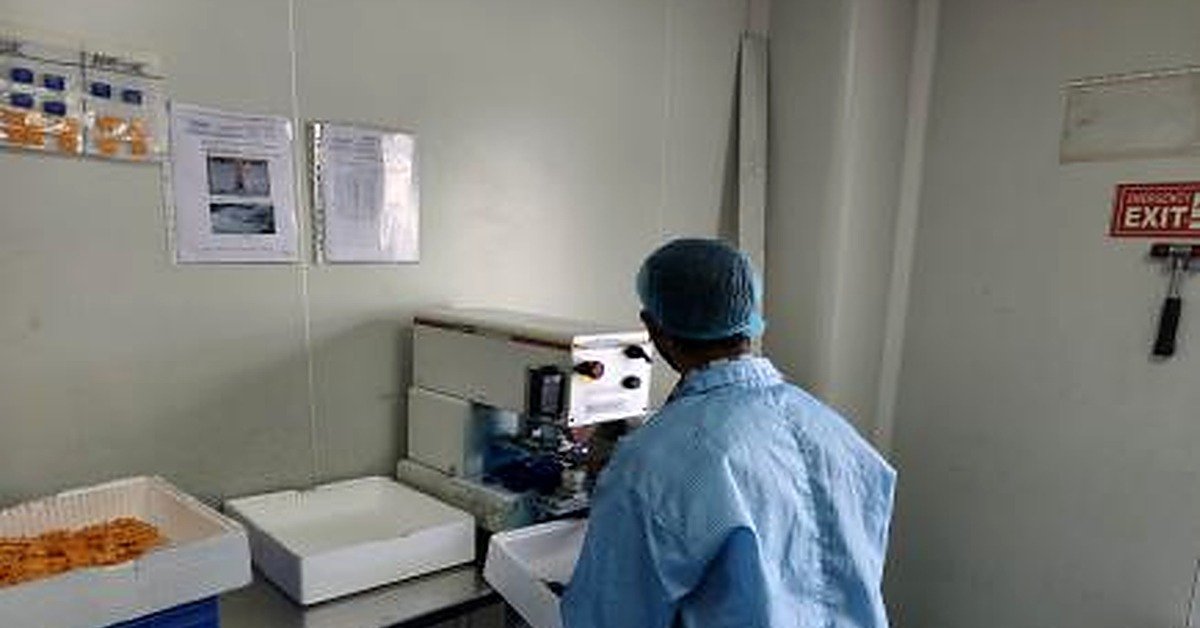
A garment unit in Tiruppur or Ludhiana faces different questions from a chemical plant in Vapi or Ankleshwar. Higher-risk work gets closer scrutiny.
| Sub-sector | Typical focus | Extra checks for higher-risk work |
|---|---|---|
| Garments and textiles | Overtime, wages, subcontracting | Unauthorised subcontractors, home-working, young workers |
| Food processing | Seasonal labour, hygiene, shifts | Dormitories, night shifts, cold-room safety |
| Chemicals and pharma intermediates | Hazardous materials, fire safety | Storage layouts, effluent records, PPE logs, emergency drills |
| Leather and footwear (Kanpur, Agra) | Tannery conditions, waste | Chemical exposure, effluent discharge, ventilation |
| Engineering and auto parts (Pune, Chennai) | Machine guarding, heat, noise | Foundry and press-shop safety, contractor induction |
Seasonal food processing companies need to be prepared for records relating to temporary or migrant workers. The subcontracting structure in textile clusters like Surat and Noida is multilayered; hence, it is important to list all units involved in your orders. Units in plastics and packaging will be subject to similar questions relating to fire load and machines.
Are you unsure of the pillars/sites your client wants from you? Legal4sure can assist in interpreting the request and scoping it before registration.
How Do You Register on Sedex? Six Steps
- Review your customer’s requisition and identify the pillars, SMETA version, deadline, and sites.
- Open a supplier account by comparing Standard and Supplier Plus on sedex.com.
- Register all the sites and associate them with your customer.
- Take up the self-assessment questionnaire for all the sites.
- Do the gap analysis of records and shop-floor condition internally.
- If required by your buyer, arrange SMETA audit through an authorized audit organization.
Don’t skip step five. A gap check a few weeks before the audit leaves time to fix wage registers, signage and training records, which are easier to correct before an auditor arrives.
Keep these ready:
- License for factory
- Permits for fire and pollution
- List of workers with employment contract
- Records of attendance and hours of work
- Grievance procedure
- Disciplinary action record
- Training record
- Environmental permit and waste management record
What Does Sedex Cost, and How Long Does It Take?
Cost has four moving parts, and each has a different driver.
| Component | What drives it | How to plan (INR context) |
|---|---|---|
| Membership fee | Number of sites and plan | Billed yearly per site in pounds, so rupees shift with the exchange rate |
| SMETA audit | Workforce size, site size, pillars | Request rupee quotations from approved audit firms |
| Consultant | Sites and depth of review | Ask for a written scope and quotation |
| Remediation | Findings, such as fire safety gaps | Collect contractor quotes once findings are known |
Audit costs tend to increase with headcount and number of pillars since auditors require more on-site time. Inquire from each company about how many auditor days it has built into its plans, including travel and report fees.
Plan costs are available on the Sedex supplier website and there may be regional taxes involved. Make sure to check before making budget projections.
- Account & Questionnaire: Primarily speed of data gathering by HR, Payroll and Safety departments.
- Booking Audit: Availability of auditor and buyer deadline.
- Corrective Actions: Record corrections are quick and building corrections take longer.
What Has Changed Recently?
The SMETA 7.0 was published by Sedex on 10 September 2024, as per the report published by DQS and purchase notices issued by companies like Unilever. LRQA points out the introduction of some new types of findings, such as “Collaborative Action Required” as well as “Management Systems Assessment.” According to LRQA, over 60,000 organizations around the world rely on SMETA audits.
India is no exception. On 21 November 2025, the Ministry of Labour & Employment enacted the four Labour Codes, which cover 29 central acts. Central rules were made after that, although different states may have different timelines for enactment.
But keep both of these issues distinct from each other. While SMETA requirements are voluntary and driven by the buyers, the Labour Codes are mandatory by law. Being compliant with the SMETA does not necessarily mean you comply with the Labour Codes. Please consult an expert on labor laws for further details.
Which Mistakes Do Manufacturers Make Most Often?
These come up repeatedly with first-time suppliers:
- Registering the company but not all the sites mentioned by the buyer. Verify the list of sites before proceeding.
- Treat the survey as a mere formality. Respond from information available since the auditor checks.
- Preparation for the office alone. Inspect the floor including the cafeteria and dormitories.
- Not considering the subcontractors and staff agencies. Plan for this earlier.
- Trusting someone who assures you of a clear audit. No one can.
- Allowing the membership to lapse. It is an annual fee per site.
- Forgetting to verify buyer links. Ensure that every buyer can access the data.
How Can a Consultant Help, and How Do You Choose One?
A consultant can interpret buyer requests, set up accounts, run gap assessments and coach your teams. They can’t audit you or guarantee a result. Ask any firm:
- Will you define scope and exclusions in writing?
- Are you familiar with my sub-sector?
- Who would visit my facility?
- Are your charges inclusive of audit and membership fees?
- Do you ever guarantee an outcome? (If yes, forget it.)
Watch out for guarantees. A consultant who guarantees an approval, a certain rating, or a special audit slot is making promises he/she cannot keep. The audit firms are independent entities, and buyers can take their own call.
Legal4sure assists the manufacturing industry with trade compliance programmes such as Sedex readiness.
Why Choose Legal4Sure as Your Sedex Consultant in India?
Legal4Sure provides end-to-end guidance as a Sedex consultant in India, helping manufacturing companies understand eligibility requirements, complete Sedex registration, and prepare for SMETA audits. Our team assists with buyer requirement assessment, site registration, Self-Assessment Questionnaire (SAQ), documentation review, workplace gap assessments, and corrective action planning.
Whether you operate a garment factory, food processing unit, chemical plant, pharmaceutical facility, or engineering manufacturing unit, we help identify compliance gaps and prepare your business for buyer-driven ethical trade requirements. With experience supporting 4,500+ businesses, conducting 6,000+ audits, and training 12,000+ workers, Legal4Sure helps manufacturers strengthen workplace compliance, improve supply chain transparency, and build confidence among international buyers. From initial consultation to audit-readiness support, we guide your business through the Sedex compliance process.
Key Takeaways
- Any company that supplies other companies may be eligible to become a member of Sedex as a supplier, with each factory location registering individually.
- Sedex is not a certificate; SMETA is an audit while report shows findings instead of results.
- The key requirements will depend on the site profile, self-assessment, and a two- or four-pillar audit if requested by your buyer.
- Fees are divided into membership, audit, consultation and remediation fees, so ask for a quotation.
Conclusion
Most manufacturing facilities that provide goods to other companies will be eligible for Sedex membership; therefore, the task becomes one of preparedness – having accurate records, a safe floor, and honest information. Know precisely what your buyer wants and register the appropriate facility sites and budget for an audit. Should you require a preliminary review of your situation, Legal4sure can help.
Is Your Manufacturing Business Eligible for Sedex? Find Out Today!
Whether you run a small factory or a large manufacturing unit, Legal4Sure helps you understand Sedex eligibility, complete site registration, prepare SAQ documentation and get ready for buyer-required SMETA audits with expert compliance guidance.
Frequently Asked Questions
Who is eligible to register for Sedex?
Every business supplying other businesses qualifies as a supplier, regardless of size and sector.
Who can register for Sedex as a manufacturing company in India?
All manufacturing sites in India, whether owned or contract-managed, qualify. Each manufacturing unit is registered individually.
What are the Sedex requirements for manufacturing companies?
Eligible. Details of each site and per-site payment are required. The buyer determines whether an audit is needed.
What are the Sedex eligibility and registration requirements for Indian manufacturing units?
There is no such requirement by law. Buyer-driven system; check your export contract or supplier code of conduct.
Is Sedex mandatory for Indian exporters?
There is no such requirement by law. Buyer-driven system; check your export contract or supplier code of conduct.
Does registration guarantee orders or a clean audit?
No. Only allows you a platform profile.
Can a small factory register on Sedex?
Yes. Sedex states businesses of all sizes qualify for registration, but auditing effort is likely proportional to labor force size.