
Think about it: a 60-person unit in Ludhiana has just got its first foreign order. The buyer’s procurement department finds the samples satisfactory and requests an updated SMETA audit report before issuing the purchase order. The unit owner knows nothing about SMETA.
Such requests come to small suppliers as well. According to Sedex, buyers require suppliers’ membership so that they can perform risk assessment efficiently and comply with legal and sustainability obligations. This is how Sedex for small units in India comes into play as soon as the buyer’s compliance team gets involved.
Small size does not matter in this case. By virtue of the Ministry of MSME notification of 21 March 2025, small enterprises have the possibility of investing up to ₹25 crore and generating turnover of up to ₹100 crore; hence, most exporting units are included here.
In this guide, we will discuss Sedex requirements for SMEs, the nature of SMETA audit for a small unit, its cost, and how to make it as simple as possible.
What Is Sedex for Small Factories in India?
Membership to Sedex for small factories entails joining Sedex, which is a global network where suppliers submit ethical and sustainability information to customers, and doing a SMETA audit when a buyer requests. Sedex does not provide a pass/fail certificate.
Sedex makes it possible for a supplier to submit his/her information once for multiple customers instead of completing separate questionnaires for each. The Sedex network has 115,000+ users in 180 countries, and Sedex claims that supplier membership is appropriate for any type of supplier.
Important note: Membership to Sedex and the SMETA audit is not certification. Sedex describes SMETA as a continuous improvement process, not a certification process.
SMETA (Sedex Members Ethical Trade Audit) is the audit method that Sedex uses. 67,000 SMETA audits are conducted by Sedex in 2025. For a small factory, the following are aspects covered by an audit:
- Salaries, working hours, overtime, and employment contracts.
- Recruitment policies and contract/job-work labor.
- Fire safety, exit routes, and machine guarding.
- Management of chemicals, waste, and water (where applicable).
- Policies against bribery and complaint procedures of employees.
- Documents that reflect the information provided by the workers.
In practice, “Sedex certification” for a small Indian exporter means an active Sedex membership, an audit report from an approved auditor, and visible progress on corrective actions.
Do Small Factories Need Sedex Membership and a SMETA Audit?
Not through law but through buyer requirements. According to Sedex, the audit is not mandatory for membership; it becomes mandatory only if the buyer demands it. The small units become members first and then get audited if a buyer demands it.
For example, consider a tile exporter from Morbi having 80 employees. It deals with only one importer who does not demand Sedex. But when the other importer asks for a SMETA audit, it becomes a member. This is the reason behind the request.
1. Satisfy the international buyers’ requirements
There are some buyers that consider Sedex membership and SMETA audit a must before approving suppliers. Inquire from your buyer what kind of scope is required (either two-pillar or four-pillar) before any purchase.
2. Establish good relationships with international retailers
For a small-scale supplier, there is an insignificant relationship history with a new buyer. An independent audit proves to the buyer how your facility operates.
3. Minimize the need for re-audits
Using Sedex, suppliers can share information with several buyers with no additional costs incurred. There are always specific requirements set by buyers, so don’t count on never being requested to go through re-audits.
4. Spot workplace issues before buyers do
The small-scale production facility operates informally sometimes. For instance, salaries might be timely paid, but there will be no records about working overtime; fire equipment can be present at the facility, but there will be no inspection documentation.
Which Small Factories Should Apply for Sedex?
Any small manufacturer selling to overseas buyers or large retailers may need Sedex, depending on buyer requirements and supply chain risk. The table shows what usually matters by factory type.
| Business type | Relevant compliance areas |
|---|---|
| Small garment and knitwear units | Working hours, overtime records, machine safety |
| Food processing units | Hygiene-related welfare, fire safety, wastewater |
| Plastic and packaging units | Machine guarding, chemical storage, fire load |
| Engineering and auto-component shops | Machine safety, PPE, noise, working hours |
| Leather and footwear units | Chemical handling, ventilation, effluent |
| Furniture and wood workshops | Dust, fire protection, machinery safety |
| Ceramic and tile units | Dust, heat exposure, energy and waste |
| Contract and job-work units | Recruitment, worker lists, monitoring records |
An exporter’s sub-contractor might also need registration regardless of whether it ships its products internationally. In case you are involved in the clothing business, see our Sedex for textile industry.
What Are the Four Pillars of a SMETA Audit?
The four pillars of a SMETA audit include Labour Standards, Health and Safety, Environment, and Business Ethics. The former is a two-pillar SMETA audit, while the latter is a four-pillar SMETA audit. According to Sedex, about 70 percent of SMETA audits are based on the four pillars.
Labour Standards
This pillar ensures that the employment conditions are decent, recruitment is safe, and there are no violations of workers’ rights at your facility.
- Employment contract and recruitment documentation.
- Salaries and overtime calculation.
- Hours of working and weekly rest days.
- Prevention of child labor and forced labor.
- Employment practices and any payments from workers.
- Discrimination and the right to form associations.
- Contractual and job work.
Example: a 40-worker unit should be able to match attendance, overtime and wage records for any worker the auditor selects.
Health and Safety
This pillar focuses on physical hazards, which can be more restrictive in small buildings.
- Fire extinguishers, fire alarms and evacuation routes.
- Emergency exits blocked or locked.
- Safety from electrical hazards and guards on machines.
- Accident and first aid reports.
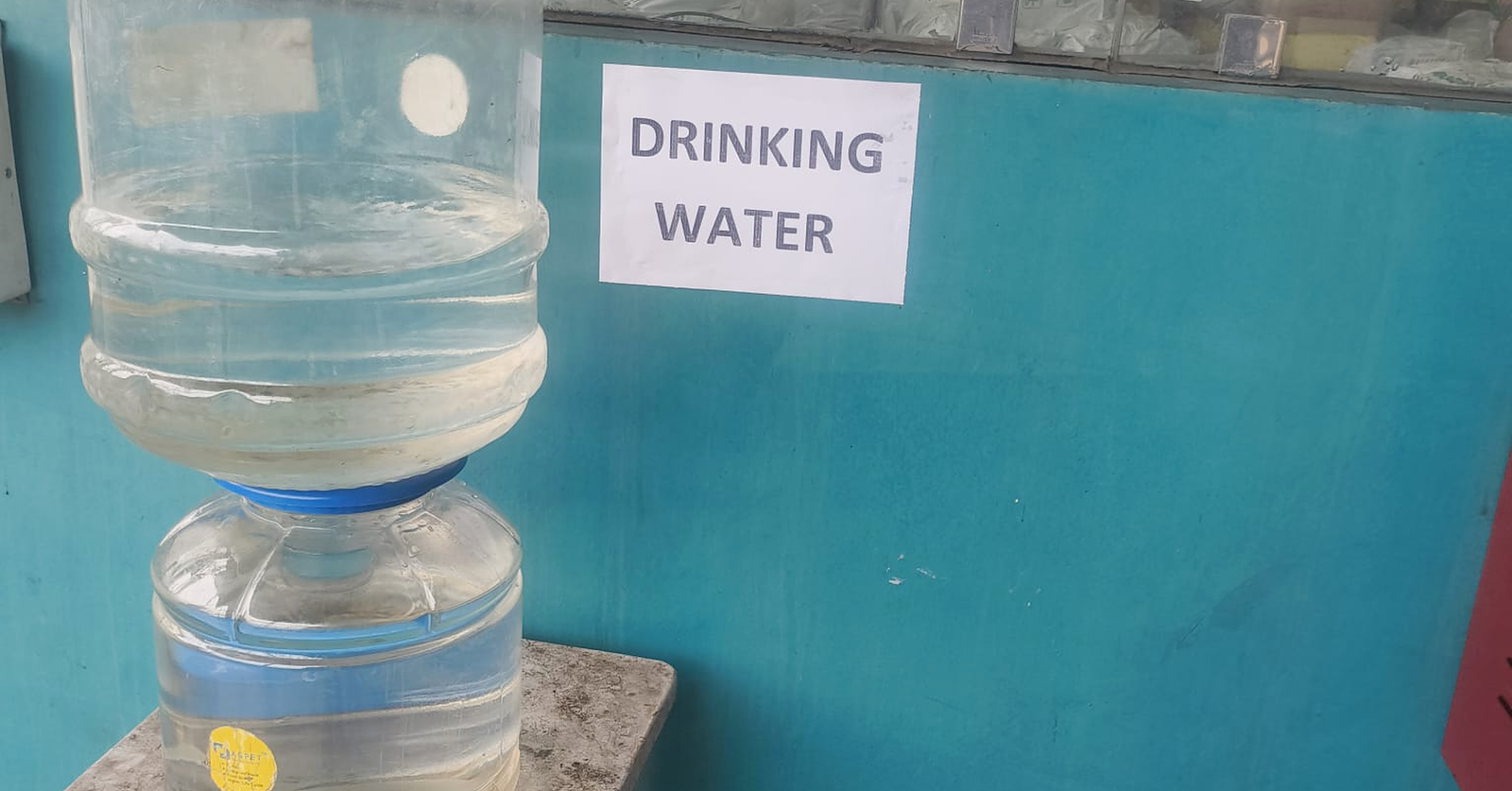
- Drinking water, sanitation and lighting.
- Ventilation and chemical storage.
- Personal protection equipment.
- Emergency plans and drills.
Example: stacking of goods in front of the only emergency exit is something an auditor will mention in a small workshop.
Environment
This pillar addresses issues related to water and waste management and energy use.
- Use and treatment of wastewater.
- Chemical use and storage.
- Disposal of waste.
- Emissions to air.
- Records of energy usage.
- Environmental licenses or permits, when necessary.
Example: a unit that uses solvents should maintain some basic records of purchases and storage corresponding with the way they dispose of waste.
Business ethics
This pillar addresses corruption and conflicts of interest.
- Anti-bribery policy.
- Conflict of interest procedures.
- Mechanism for handling worker grievances.
- Business records consistent with declarations.
- Awareness of the policies by the owner and management.
Example: even in a family-run unit, workers should know how to raise a complaint, and the owner should be able to show how one was handled.
SMETA Audit Checklist for Small Manufacturers
A SMETA audit checklist for small manufacturers helps you find missing records before the auditor does. Small units usually keep fewer written systems, so build the file early.
| Audit area | Documents and arrangements to prepare |
|---|---|
| Company details | Factory registration and applicable licences |
| Employee records | Employee list, appointment letters and contracts |
| Wage compliance | Salary registers, wage slips and bank payment records |
| Working hours | Attendance, overtime and leave records |
| Contract and job work | Contractor details and worker lists |
| Worker welfare | Grievance procedure and worker communication records |
| Health and safety | Risk assessment and written safety procedures |
| Fire safety | Equipment inspection and emergency drill records |
| Machine safety | Maintenance and inspection records |
| Chemical management | Chemical list, safety data sheets and storage records |
| Environmental management | Waste, water and permit records |
| Business ethics | Anti-bribery policy and complaint-handling procedure |
Additional measures for small manufacturing units:
Premises: check who is in charge of fire and electrical safety in shared or rented premises.
Wage systems: verify that wages and any overtime are accounted for.
Small staffing: ensure that all employees know about the grievance process.
Subcontracting: monitor the work performed outside the factory.
Paper trail alone will not be sufficient. The auditors will look into conditions and conduct confidential interviews with employees, thus records must be consistent with what workers say.
What Is the SMETA Audit Procedure for Small Manufacturing Enterprises?
The procedure starts from Sedex membership to taking corrective actions: register, conduct self-assessment, get ready, arrange an audit with an approved auditor, receive a report and communicate it to the buyers. Here is how small factories in India can register in Sedex and undergo SMETA audit.
Step 1. Registration to Sedex website
Make sure to register a supplier account with Sedex and add information about all sites. Sedex guarantees that the on-boarding process takes several hours for most suppliers, and membership lasts for 12 months.
Step 2. Filling out the self-assessment questionnaire
SAQ involves collecting information about your company’s employment practices, health & safety, environmental impact, and business ethics. Sedex personalizes the form depending on your industry sector, company size, and country of operations.
Step 3. Preparation for SMETA audit
Perform a gap analysis, solve possible issues and inform management and employees. You can use our tutorial Sedex SAQ vs eSAQ to fill out the questionnaire.
Step 4. Conducting an independent audit
Only auditors from Sedex-accredited Affiliate Audit Companies may perform SMETA audit. You need to become a registered user in order to schedule your audit through Sedex.
Step 5. Receiving the audit report and CAPR
In addition to your audit report, you will receive a Corrective Action Plan Report (CAPR). Appoint an owner for each non-conformity and provide evidence of corrective actions.
Step 6. Share audit information with buyers
You choose which customers see the audit. The point is ongoing improvement, not a one-time document.
How Much Does Sedex Certification Cost in India?
There is not one standard fee, and just the size does not determine it. Your fee will depend on your Sedex membership fees, the audit quotation, and solutions, if needed. Below is a cost analysis of a Sedex audit for a small factory in India in terms of its components.
Fees for Sedex Membership
Supplier membership rates of Sedex are stated by Sedex per-site, on an annual basis. The fees are stated in GBP, and region-specific taxes may apply.
| Membership plan | Published annual fee |
|---|---|
| Standard Supplier | £224 per site |
| Supplier Plus | £374 per site |
SMETA Audit Charges
The quote for the audit fee is from the approved audit firm. The quote normally depends on:
- Number of employees and size of factory.
- Two-pillars or four-pillars scope.
- Number of process at factory.
- Duration of audit and travel.
Other Cost of Preparation
Costs involved in making corrections during the gap analysis may be required, like fire extinguishers, signage, guards to machines, better chemical storage. Making these corrections before the audit may prevent the cost of another audit, but not always.
What small factories need to do to control costs
- Make sure that your buyer’s scope is confirmed before deciding between two and four pillars.
- Become a member of Sedex only when your buyer is willing to connect with you.
- Compare detailed quotes from the approved audit firms.
- Make all known corrections before scheduling the audit.
- Provide one report to all buyers accepting it.
Note: SMETA audit fee does not include Sedex membership fee. Request quotes which show membership, audit and corrective action fees separately.
How Long Does the Sedex Process Take?
This will depend on your readiness to conduct the audit, when the auditor is available to come in, and how many issues need closure. No exact end-to-end timeline has been set by Sedex, so check with your auditor regarding how long your audit will take.
| Activity | Estimated planning time |
|---|---|
| Sedex registration | A few hours, depending on the information ready |
| SAQ completion | Depends on factory size and records |
| Internal gap assessment | Depends on existing compliance |
| Audit scheduling | Depends on auditor availability |
| SMETA site audit | Depends on site size and scope; confirm with the auditor |
| Corrective action | Depends on the findings |
Start before your buyer’s supplier-approval deadline, not after it.
Important Indian Labour Compliance Updates for Small Factories
The four Indian Labour Codes became applicable from 21 November 2025, in replacement of 29 Central labour laws. Central Rules were issued by the Ministry of Labour and Employment in May 2026, while the states are formulating theirs.
- Code on Wages, 2019
- Industrial Relations Code, 2020
- Code on Social Security, 2020
- Occupational Safety, Health and Working Conditions Code, 2020
Application of these Codes to a particular unit will be dependent upon its size and jurisdiction. Consult your labour lawyer in this regard. Small units must check:
- Appointment letters
- Salary payment & overtime calculation
- Social Security coverage
- Workplace safety provisions
- Contract Labour records
- State rules
Tip: There is a difference between SMETA findings and compliance with law. Compliance with the law does not mean complying with the SMETA audit.
How Can a Sedex Consultant Help Small Factories in India?
A Sedex consultant helps you understand the buyer’s requirements, find gaps and get your unit ready before the independent audit. It doesn’t replace the audit.
- Gap Analysis: Evaluate your current processes based on the four pillars.
- Documentation Assistance: Organize wage, attendance, contract and safety documents.
- Factory Audit: Identify potential fires, machinery, electricity and chemical problems.
- SAQ Assistance: Assist the management in filling out the questionnaire.
- Guidance for corrective actions: Convert the analysis into a plan of action.
- Coordination of the audit: Help you contact a Sedex approved Affiliate Audit Company.
Sedex indicates that only Sedex’s Affiliate Audit Companies and auditors can apply the SMETA methodology and are not authorized to provide any Sedex/SMETA service. Good Sedex Audit Consultants will know this and will not guarantee you anything. Legal4Sure helps small manufacturers prepare in this way.
How to Choose the Right SMETA Audit Consultant
Pick a consultant who understands small units and is honest about what they can and can’t do.
- Are they familiar with small manufacturing units and your manufacturing process?
- Are they able to tell you about the four key areas and the latest version of SMETA audit?
- Do they help to organize records when your system is largely informal?
- Do they know your equipment, chemicals and fire safety arrangements?
- Do they help you find a Sedex-certified affiliate audit company?
- Do they assist you in closing findings after an audit?
Avoid people promising you guaranteed approval and Sedex certificate. There is no such thing in the SMETA audit process.
Why Choose Legal4Sure for Sedex Compliance Support?
Small manufacturers need practical help that fits their workforce and budget. Legal4Sure supports businesses with Sedex, SMETA, ISO, FSSAI, FDA and export compliance.
1. Multi-Sector Familiarity
Since Legal4Sure has experience with textiles, food, pharmaceuticals, plastics, rubber, leather, furniture and toys, it is familiar with how various factory floors work.
2. Policy and Documentation Assistance
Get help in developing policies and managing documentation required during an audit process.
3. Compliance Training
Train owners, supervisors and employees about the entire auditing process.
4. Pre-audit Gap Assessment
Get a pre-audit gap assessment to detect possible non-compliances in the areas of remuneration, hours, occupational safety and well-being.
5. Sedex Registration and Audit Preparation
Legal4Sure provides assistance for Sedex registration in India and SMETA audit preparations.
6. Broad Compliance Experience
Since Legal4Sure has helped over 4,500 companies, even small exporters get help in meeting buyer or regulation requirements.
Running a small factory with an overseas buyer asking for Sedex? Talk to Legal4Sure about your requirements, gaps and next steps.
Key Takeaways
- Sedex is a data sharing platform, and SMETA is the audit methodology owned by Sedex.
- There is no pass-fail certificate for Sedex membership and SMETA audit.
- No audit is necessary to become a member of Sedex; an audit is necessary only upon request from a customer.
- According to Sedex, supplier membership works for all types of suppliers, small, medium and large.
- SMETA covers Labour Standards, Health & Safety, Environment & Business Ethics, and 70% of audits cover the four pillar scope.
- Sedex Standard membership costs £224 per site annually while Supplier Plus membership costs £374 per site annually; audit fees are separately quoted by the auditor.
- Small factories can reduce cost by agreeing on the scope, rectifying gaps first, and comparing itemised quotes.
- SMETA results and compliance with Indian Labour Laws are connected, but not interchangeable.
Prepare Your Sedex for Small Factories in India Plan Before the Buyer Asks
Buyers are looking for proof of responsible employment practices and safe workplaces, and this has extended to smaller suppliers. The Sedex for smaller manufacturers in India will be feasible once you understand the requirement from the buyer, plug the loopholes, and budget for each requirement.
If you are operating from cities like Ludhiana, Tiruppur, Morbi, or Noida, you begin with the requirement of the buyer, followed by your own record and floor. You can talk to Legal4Sure about your Sedex requirements and audit preparations.
Make Your Small Factory Buyer-Ready with Sedex Compliance
Planning Sedex membership or a SMETA audit for your small factory? Legal4Sure helps Indian manufacturers with Sedex registration, SAQ documentation, compliance gap assessments and audit preparation to meet international buyer requirements.
Frequently Asked Questions
Do small factories need Sedex membership and a SMETA audit?
By no means. According to Sedex, an audit is required only if requested by the buyer and after membership. Determine your buyer’s requirement prior to registration.
What are the Sedex requirements and audit process for small manufacturing companies in India?
For the purposes of this audit, you require Sedex membership, completion of SAQ form and SMETA audit performed by approved auditor, if requested by your buyer, on labour, health and safety, environment and ethics issues.
How much does a Sedex audit cost for a small factory in India?
Membership costs £224 or £374 per site per annum. The price of audit will be quoted separately by the approved auditor based on the site size, workforce and scope.
How can small factories in India complete Sedex registration and SMETA audit, and how long does it take?
Registration, SAQ completion, preparation, booking of approved auditor, closure of findings and provision of report. According to Sedex, onboarding will take just a few hours, all other time will depend on your preparation level.
Is Sedex the same as SMETA?
Not really, Sedex is the database in which supplier information is uploaded and SMETA is the auditing process owned by Sedex. SMETA audits can only be conducted by certified audit firms.
Can a micro or small manufacturer apply for Sedex?
Yes. According to Sedex, supplier membership is applicable to suppliers of all sizes, depending on whether the buyer needs the audit and how the business operates.
What happens if a small factory gets non-compliances in a SMETA audit?
One will receive Findings and a Corrective Action Plan Report. The management will sort everything out and present the evidence. SMETA is a continuous improvement program, not a pass/fail situation.